


 08.08.2026
 5 görüntülenme
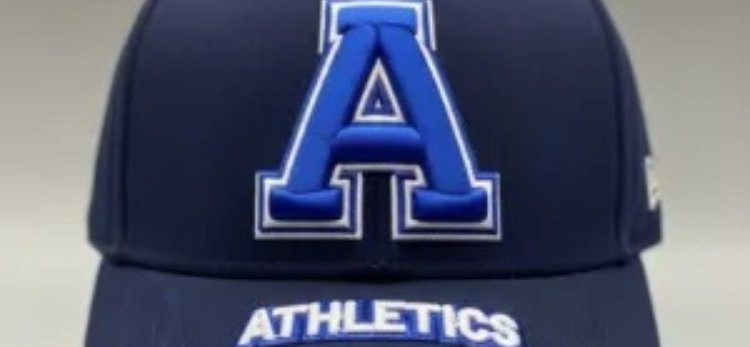
Custom embroidery has become an important part of apparel branding, promotional clothing, sportswear, uniforms, and fashion products. Among the available embroidery techniques, 3D puff embroidery is widely used when a raised and dimensional finish is required. However, achieving a clean result depends heavily on accurate digitizing.
Premium 3D puff embroidery digitizing services convert artwork into embroidery files that are specifically prepared for raised stitching. Professional digitizing considers stitch direction, density, underlay, sequencing, design size, fabric type, and foam placement. These technical details help embroidery machines reproduce logos, lettering, and artwork with greater consistency.
What Is 3D Puff Embroidery Digitizing?
3D puff embroidery digitizing is the process of converting artwork into a machine readable embroidery file designed to create a raised effect. Unlike conventional flat embroidery, this technique uses embroidery foam beneath selected areas of the design. The stitching covers the foam, and the excess material is removed after embroidery is completed.
The quality of the final result depends on how accurately the embroidery file is prepared. A design that looks excellent on a computer screen may not produce the same result when stitched onto fabric if its density, underlay, or stitch direction is unsuitable.
Professional digitizers therefore prepare each design according to its intended embroidery application. They also consider the limitations of small lettering, narrow shapes, fine details, and curved elements.
Why Professional 3D Puff Digitizing Matters
3D puff embroidery requires more than simply adding stitches to an existing image. The digitizing process must account for the physical characteristics of foam, thread, fabric, and embroidery machines.
A professionally digitized file can help reduce common production problems such as uneven coverage, thread breaks, distorted lettering, excessive stitching, and incomplete foam coverage.
Accurate Stitch Density
Stitch density needs to be carefully controlled. Too many stitches can make an embroidered area unnecessarily heavy and may create tension problems. Too few stitches can leave gaps and prevent the foam from being properly covered.
Proper Underlay
Underlay provides a foundation for the visible stitches. The correct underlay can improve stability and help the embroidery maintain its intended shape during production.
Controlled Stitch Direction
Stitch direction affects the appearance and structure of embroidered elements. Experienced digitizers use suitable directions to support clean coverage and maintain the visual characteristics of the original artwork.
Effective Stitch Sequencing
The sequence of embroidery can influence both production efficiency and design quality. Proper sequencing helps different elements connect correctly while reducing unnecessary machine movement and thread changes.
Where 3D Puff Embroidery Is Commonly Used
3D puff embroidery is suitable for many types of apparel and accessories. Caps are particularly popular because raised lettering and logos can provide strong visual recognition. The technique is also used on jackets, hoodies, sweatshirts, uniforms, bags, and other fabric products.
Businesses can use raised embroidery for company logos and promotional clothing. Sports organizations may use it for team names, numbers, symbols, and mascots. Fashion businesses can also apply the technique to create textured lettering and decorative artwork.
The best application depends on the design, fabric, garment construction, and desired appearance. A professional digitizer can recommend suitable adjustments before production begins.
Benefits of Premium 3D Puff Embroidery Digitizing
High quality digitizing can contribute to more consistent embroidery production. When the file is correctly prepared, embroidery machines receive precise instructions for stitch placement, density, direction, and sequencing.
This can provide several practical advantages. Production teams may experience fewer stitching problems, while businesses can maintain greater consistency when reproducing the same design on multiple garments.
Professional digitizing can also help control unnecessary stitches and thread changes. This may improve production efficiency and reduce avoidable material consumption.
For businesses selling custom apparel, a well prepared 3D puff design can also add visual and tactile value to the finished product. The raised texture gives logos and lettering a distinctive appearance that can complement many clothing styles.
How to Choose a Reliable 3D Puff Digitizing Service
Choosing a digitizing provider requires more than comparing prices. Businesses should consider technical experience, file quality, communication, revision policies, turnaround expectations, and compatibility with their embroidery equipment.
A reliable service should be able to work with common artwork formats and provide an embroidery file suitable for the intended machine. It should also understand that different fabrics may require different digitizing approaches.
Reviewing previous digitizing work can provide useful information about stitch quality, lettering clarity, edge definition, and overall design preparation. Businesses should also provide clear artwork and explain where the finished embroidery will be used.
Quality Control Before Production
Testing an embroidery file before a large production run can help identify technical issues. A sample stitch out allows the digitizer or embroidery operator to evaluate thread coverage, foam removal, lettering clarity, registration, and overall appearance.
Small adjustments at this stage can prevent larger production problems later.
FAQs About 3D Puff Embroidery Digitizing
What is the difference between regular embroidery and 3D puff embroidery?
Regular embroidery creates a mostly flat stitched surface, while 3D puff embroidery uses foam beneath selected areas to create additional height and texture.
Can any logo be converted into 3D puff embroidery?
Many logos can be prepared for 3D puff embroidery, but extremely small details, thin lines, and tiny lettering may require modifications. A professional digitizer can adjust the artwork to make it suitable for the technique.
Which products are suitable for 3D puff embroidery?
Caps, jackets, hoodies, sweatshirts, uniforms, bags, and other suitable fabric products can be used for 3D puff embroidery. The final choice depends on fabric characteristics and garment construction.
Why is a sample stitch out important?
A sample stitch out allows production teams to check the embroidery file on the intended material. It can reveal problems with density, lettering, thread coverage, foam removal, and design registration before full production.
Conclusion
Premium 3D puff embroidery digitizing services play an important role in producing clean, durable, and visually appealing raised embroidery. Accurate digitizing considers technical factors such as stitch density, underlay, direction, sequencing, fabric type, and design size.
For businesses involved in custom apparel, promotional products, sportswear, uniforms, and fashion, professional digitizing can support consistent production and better finished results. Selecting an experienced service and testing the embroidery file before full production can further improve quality and reduce avoidable production issues.
With the right digitizing approach, artwork can be transformed into professionally prepared embroidery files that are ready for reliable machine production and attractive finished products.
Yorumlar (0)
Bu gönderi için henüz bir yorum yapılmamış.
Yorum Bırakın