


 16.09.2026
 17 görüntülenme
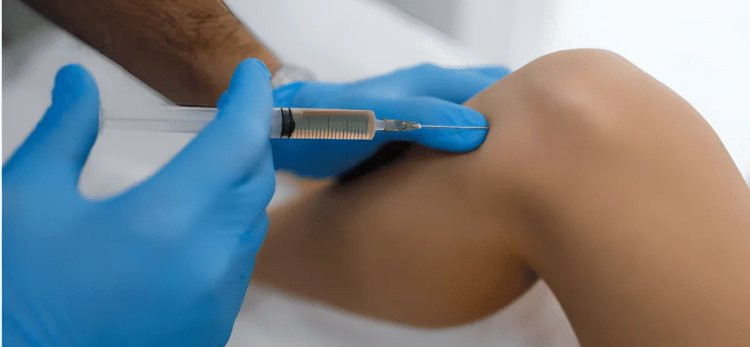
Knee pain can make everyday activities such as walking, climbing stairs or exercising difficult. For some people, pain is linked to osteoarthritis, while others develop it after a sports injury or repeated strain.
PRP injections in London are increasingly discussed as a treatment option for certain types of knee pain. PRP, or platelet-rich plasma, uses a concentrated part of your own blood and is injected into the affected area.
But does PRP actually help knee pain? The answer is more nuanced than simply saying that PRP “repairs” the knee.
Research suggests that PRP may reduce pain and improve function for some people with knee osteoarthritis, particularly over the following months. However, results are not identical for everyone, and PRP should not be presented as a way to regrow damaged cartilage or cure osteoarthritis.
What is PRP?
PRP stands for platelet-rich plasma.
A small amount of blood is taken and processed to separate the plasma containing a higher concentration of platelets from the other blood components. This preparation can then be injected into the affected joint or soft tissue.
Platelets contain various substances involved in the body's natural healing processes. The aim of treatment is to place the prepared plasma at the area being treated.
PRP is not the same as a steroid injection. It also does not work like a painkiller that simply numbs the area.
The exact preparation and injection technique can differ between treatments, which is one reason results reported in studies are not always identical.
Can PRP injections actually help knee pain?
For some people, yes.
Clinical studies have found that PRP can improve pain and knee function in some people with osteoarthritis. Benefits are generally considered in terms of symptom improvement rather than rebuilding the joint.
The response can also take time. PRP is not usually expected to produce an immediate pain-relieving effect in the way that a local anaesthetic might.
This distinction is important. A person considering PRP treatment for knee pain should understand that the aim is to improve symptoms and function, not to reverse established joint damage.
What does the evidence say about PRP for knee osteoarthritis?
PRP has been studied extensively in people with knee osteoarthritis, but research findings are not completely uniform.
Some clinical trials and reviews report improvements in pain and physical function compared with placebo or other injections. Other studies show smaller differences, and the quality and preparation of PRP can differ substantially between studies.
The severity of osteoarthritis also matters when considering treatment. Someone with relatively early joint changes may have a different response from someone with advanced joint destruction.
This is why PRP should be discussed as one possible treatment option rather than a guaranteed solution.
Who may be considered for PRP knee injections?
PRP may be considered for people with knee pain where the underlying problem has been assessed and PRP is clinically appropriate.
This can include some people with:
- Knee osteoarthritis
- Certain sports-related knee problems
- Persistent symptoms despite conservative treatment
- Joint or soft-tissue problems where an injection-based treatment has a reasonable clinical role
A proper assessment is important before deciding on treatment. Knee pain can have many causes, and PRP is not suitable for every diagnosis.
The assessment may involve understanding your symptoms, previous treatment, activity level and relevant medical history. Imaging may also be useful when the diagnosis or extent of joint damage needs clarification.
When PRP may not be the right option
PRP is not appropriate for every person with knee pain.
For example, a person may need a different form of treatment if the pain is caused by a problem that requires surgery, significant structural damage or another condition that has not yet been diagnosed.
It is also important to consider whether the expected benefit is realistic.
Someone looking for a treatment that will immediately eliminate severe pain may have expectations that do not match how PRP works.
A medical assessment should therefore come before deciding on an injection.
What happens during a PRP knee injection?
The process begins with taking a small blood sample.
The blood is then processed to prepare the PRP. The knee is prepared for the injection, and the PRP is placed into the relevant area.
Where appropriate, PRP joint and soft tissue injection may be performed using image guidance to help identify the intended anatomical location.
The exact technique depends on the condition being treated and the clinician's assessment.
After the procedure, the area may feel sore or uncomfortable for a short period. This does not necessarily mean that the treatment has failed. It can take time for symptoms to change.
How long does PRP take to work for knee pain?
PRP does not normally work like an immediate painkiller.
Some people notice changes within the first few weeks, while improvement may develop gradually over several weeks or longer.
The response depends on factors such as the underlying condition, severity of symptoms and individual response to treatment.
It is therefore better to judge PRP over an appropriate period rather than expecting a major change immediately after the injection.
What should you do after a PRP injection?
After treatment, the clinician will give specific advice based on the area treated and your condition.
Activity may need to be modified for a period before gradually returning to normal movement or exercise.
It is also important to follow advice about pain relief. Some medicines may affect platelet activity, so you should not change prescribed medication without discussing it with the doctor who manages it.
If pain becomes severe, symptoms worsen significantly or you develop other concerning symptoms after an injection, seek medical advice.
PRP compared with other knee pain treatments
PRP is only one option for managing knee pain.
Depending on the cause, treatment may include exercise and physiotherapy, weight management where relevant, medication, other injections or surgery.
For osteoarthritis, exercise-based management remains an important part of treatment. An injection should not be viewed as a replacement for appropriate rehabilitation.
The right option depends on what is causing the pain, the condition of the knee, previous treatment and the person's goals.
This is particularly important when comparing PRP with other injections. Different treatments have different mechanisms, expected effects and potential risks.
Choosing a doctor for PRP injections in London
If you are considering PRP injections London, look beyond whether a clinic simply offers PRP.
The important questions are whether the clinician can assess the cause of your knee pain, explain what PRP can realistically achieve and discuss alternatives when PRP is not appropriate.
It is also reasonable to ask:
- What condition is being treated?
- Why is PRP being considered?
- What preparation of PRP is being used?
- How will the injection be performed?
- What improvement should realistically be expected?
- What happens if the treatment does not improve symptoms?
A good consultation should leave you understanding both the potential benefits and the limitations of the treatment.
The bottom line
PRP may help reduce knee pain and improve function for some people, particularly those with certain types of knee osteoarthritis. However, it is not a guaranteed treatment and should not be described as a way to regenerate a damaged knee.
The most important step is identifying what is causing the knee pain and deciding whether PRP has a sensible role in managing it.
For people considering PRP injections London, a proper clinical assessment can help establish whether the treatment is appropriate and what outcome can realistically be expected.
Frequently Asked Questions
1. Is PRP effective for knee pain?
Research suggests PRP can improve pain and function for some people with knee osteoarthritis. The response differs between individuals, and PRP is not effective for every cause of knee pain.
2. How quickly does PRP work for knee pain?
PRP is not usually an immediate pain-relieving treatment. Improvements may develop gradually over several weeks, with some people noticing changes later.
3. Does PRP repair damaged knee cartilage?
PRP should not be described as a treatment that reliably regrows damaged cartilage. Its potential benefit is mainly discussed in terms of reducing symptoms and improving function.
4. Is PRP suitable for everyone with knee pain?
No. The cause and severity of the knee problem need to be assessed first. Some conditions require different treatment, and PRP may not be appropriate in every case.
Yorumlar (0)
Bu gönderi için henüz bir yorum yapılmamış.
Yorum Bırakın