


 25.09.2026
 8 görüntülenme
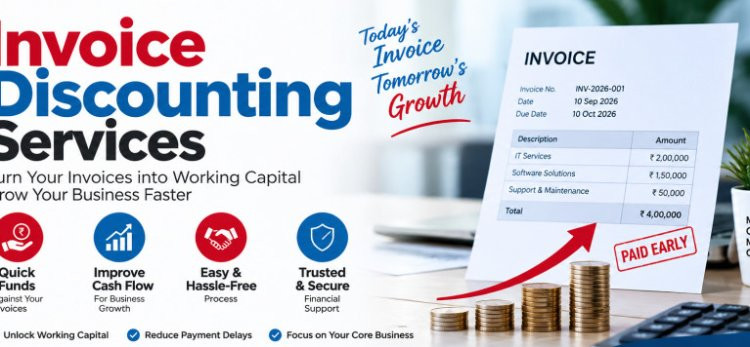
Discover TReDS bill discounting solutions to improve business cash flow, access working capital against eligible receivables, and support growth.
Managing cash flow is one of the biggest challenges for small and medium-sized businesses. Even when a company has regular sales and reliable customers, delayed invoice payments can create a gap between revenue generation and available working capital. TReDS bill discounting can help eligible businesses access funds against accepted trade receivables and manage their financial requirements more efficiently.
TReDS, or Trade Receivables Discounting System, provides a digital mechanism that facilitates financing of eligible trade receivables. It brings eligible sellers, buyers, and financiers together on a platform, helping businesses explore financing opportunities against invoices before their maturity date.
What Is TReDS Bill Discounting?
TReDS bill discounting is a financing mechanism through which eligible businesses can obtain funds against accepted invoices. Instead of waiting until the buyer makes payment on the invoice due date, a seller can seek financing from participating financiers through the TReDS platform.
Once an invoice is accepted by the buyer and meets the applicable requirements, financiers can participate in financing the receivable. The seller receives the applicable amount after deduction of relevant financing or discounting charges, while the invoice is settled according to the agreed terms.
This can provide businesses with greater control over their working capital and help reduce the impact of long customer payment cycles.
How TReDS Bill Discounting Improves Cash Flow
Cash flow problems often occur when a business has money locked in outstanding invoices. Although the company has already delivered products or services, the corresponding funds may not be available until the buyer's payment date.
With suitable TReDS bill discounting, eligible businesses can potentially convert accepted receivables into usable working capital earlier. This can help them manage operating expenses, purchase inventory, pay suppliers, and handle other business requirements.
Better access to working capital can also help businesses avoid unnecessary disruptions caused by delayed receivables.
Key Benefits of TReDS Bill Discounting
One of the main benefits of TReDS bill discounting is improved liquidity. Businesses may be able to access funds against eligible invoices instead of waiting for the entire credit period.
Another important advantage is digital processing. TReDS provides a structured platform for eligible participants, which can simplify the process of submitting and financing trade receivables.
Other potential benefits include better working capital planning, improved payment-cycle management, support for business expansion, and greater financial flexibility.
TReDS Bill Discounting for SMEs
Small and medium-sized enterprises frequently depend on timely customer payments to maintain daily operations. A delayed payment from a large customer can affect the SME's ability to purchase stock, pay vendors, manage salaries, or accept new orders.
TReDS bill discounting can help eligible SMEs address this working capital gap by facilitating financing against accepted trade receivables. Instead of allowing outstanding invoices to remain unused until maturity, businesses can explore suitable financing options through the platform.
This can be particularly useful for businesses that regularly supply goods or services to eligible corporate buyers.
Supporting Business Expansion
Access to working capital is important when a company wants to grow. Businesses may need additional funds to increase inventory, purchase equipment, hire employees, expand into new markets, or fulfil larger customer orders.
When eligible invoices are financed through TReDS, businesses may have greater access to working capital while waiting for buyers to complete their payments. This can help companies make better use of their available receivables and respond to growth opportunities more quickly.
Choosing the Best TReDS Bill Discounting Solution
Selecting a suitable financing solution requires careful evaluation. Businesses should consider factors such as eligibility requirements, financing costs, processing procedures, documentation, transaction timelines, and participating financiers.
It is also important to understand the terms associated with each transaction. The availability of financing and applicable costs can depend on the buyer, seller, invoice, financier, and other transaction-specific factors.
A professional service provider can help businesses understand the TReDS process, prepare relevant information, and evaluate appropriate financing options.
Improve Working Capital Management
Effective working capital management is essential for maintaining a stable business. When receivables are collected efficiently, companies can maintain healthier cash flow and reduce pressure on short-term finances.
TReDS bill discounting can provide an additional option for eligible businesses seeking to improve liquidity against accepted trade receivables. By accessing funds earlier, businesses may be able to plan their finances more effectively and maintain smoother operations.
Who Can Benefit from TReDS Bill Discounting?
Eligible MSMEs and other qualifying businesses can explore TReDS-based receivable financing when they have invoices involving eligible buyers and transactions that meet applicable requirements.
The exact eligibility criteria, documentation, financing terms, and settlement process may vary. Businesses should verify the applicable conditions before entering into a financing arrangement.
Conclusion
Maintaining consistent cash flow is essential for every growing business. Delayed invoice payments can restrict working capital and make it difficult for SMEs to manage everyday expenses or pursue new opportunities.
TReDS bill discounting offers eligible businesses a structured digital mechanism to seek financing against accepted trade receivables. By improving access to working capital, it can support better cash flow management, operational stability, and business growth.
For SMEs looking to make their receivables more useful before the payment due date, exploring the right TReDS bill discounting solution can be an effective part of a broader working capital strategy.
Yorumlar (0)
Bu gönderi için henüz bir yorum yapılmamış.
Yorum Bırakın