


 09.10.2026
 5 görüntülenme
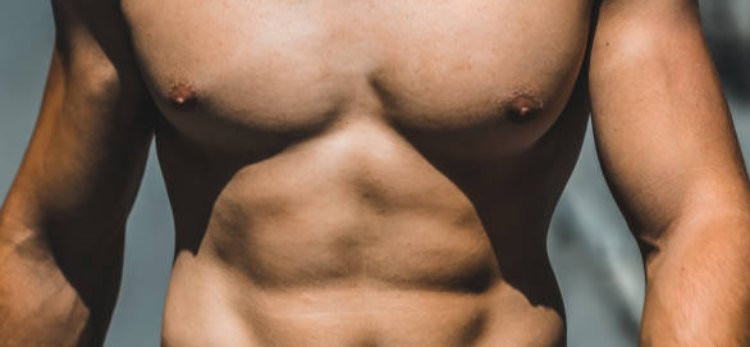
Male breast reduction surgery can help men with gynecomastia achieve a flatter, more defined chest contour. However, the results are not always immediately visible because swelling, bruising, and tissue healing can temporarily affect the chest's appearance. Understanding the recovery timeline can help patients develop realistic expectations and recognize the gradual changes that occur after surgery. For men considering Gynecomastia Male Breast Reduction in Riyadh, learning when the final results may become visible is an important part of preparing for treatment.
Although some improvements may be noticeable soon after the procedure, the chest generally needs several weeks or months to settle into its new shape. The exact timeline depends on the surgical technique, the amount of tissue removed, skin elasticity, and individual healing. Patients undergoing Gynecomastia Male Breast Reduction in Riyadh should follow their surgeon’s aftercare instructions and avoid judging the outcome too early in recovery.
When Do You Start Seeing Results After Male Breast Reduction?
The results develop gradually as swelling decreases and the tissues heal. Each recovery stage can bring visible changes, but the chest may continue to change for several months.
Immediately After Surgery
Some patients notice a flatter chest soon after the procedure because excess fat or glandular tissue has been removed. However, postoperative swelling, bruising, and dressings can make the initial appearance difficult to assess accurately.
The chest may also feel tight or firm during this stage. These effects are common after surgery, so the immediate appearance should not be considered the final result.
One to Two Weeks After Surgery
During the first two weeks, bruising and swelling often begin to improve. The chest may gradually look less swollen, although tenderness and puffiness can remain.
Some patients may notice unevenness between the two sides because healing does not always progress at the same rate. Continue following your surgeon’s instructions and attend any recommended follow-up appointments.
Three to Six Weeks After Surgery
As swelling decreases further, the chest contour may become more noticeable. The treated area may look flatter and more defined than it did during the initial recovery period.
However, mild swelling, firmness, or changes in nipple sensitivity can persist. Your surgeon will advise when it is safe to resume strenuous exercise and other activities that place pressure on the chest.
Six Weeks to Three Months After Surgery
Many patients see more substantial improvements during this period. The chest tissues continue to settle, and residual swelling may gradually decrease.
The results may look more natural as the skin adjusts to the reduced volume. Nevertheless, the pace of improvement varies, and some patients need additional time before their chest contour becomes clear.
Three to Six Months After Surgery
For many patients, the final or near-final chest contour becomes more apparent within three to six months. Residual swelling often continues to improve, and the treated tissues may become softer.
Some individuals may need six months or longer to see their final results, particularly after more extensive procedures or when swelling takes longer to resolve. Your surgeon can assess your progress and explain whether the changes you notice are consistent with your recovery.
What Factors Affect the Final Results?
Several factors influence how quickly results become visible and how the chest looks after healing.
Type of Surgical Technique
Male breast reduction may involve liposuction, removal of glandular tissue, or a combination of both. The technique depends on the type and amount of tissue present, and different procedures can have different recovery patterns.
Amount of Tissue Removed
The extent of tissue removal can influence swelling and healing time. More extensive procedures may require a longer period before the chest settles into its final contour.
Skin Elasticity
After excess tissue is removed, the skin needs to adjust to the reduced chest volume. Skin elasticity can affect how smoothly the skin adapts, and some patients may have more loose skin than others.
Individual Healing Response
General health, circulation, age, smoking, and other personal factors may affect recovery. Following medical instructions and attending follow-up appointments can help your surgeon monitor healing.
Postoperative Care
Wearing a compression garment when prescribed, caring for incisions, and avoiding strenuous activity until cleared can support the recovery process. Returning to exercise too early may worsen swelling or discomfort.
How Can You Support the Best Possible Results?
Although the final outcome depends on several factors, appropriate aftercare can help protect your recovery.Wear your compression garment according to your surgeon’s instructions.
Keep incisions clean and follow the recommended wound-care routine.
Avoid heavy lifting, chest workouts, and strenuous exercise until medically cleared.
Maintain a balanced diet and stay adequately hydrated.
Avoid smoking and nicotine products, which can interfere with healing.
Attend scheduled follow-up visits and report unexpected symptoms.
Be patient while swelling decreases and the tissues settle.
Avoid comparing your recovery too closely with another person’s experience. Two patients may undergo similar procedures but notice visible improvements at different times.
Can the Results Change After They Become Visible?
Yes. The chest can continue to change as swelling resolves and the tissues soften. Once healing is complete, results may remain stable, but they can still be influenced by weight fluctuations, aging, hormonal changes, and certain medications or medical conditions.Maintaining a relatively stable weight and discussing new breast enlargement with a healthcare professional can help you understand any changes after surgery. Surgery reduces existing tissue but does not prevent every possible future cause of chest enlargement.It is also important to remember that male breast reduction improves chest contour but cannot guarantee perfect symmetry or a specific appearance. Your surgeon can explain what is realistic based on your anatomy and treatment plan.
When Should You Contact Your Surgeon?
Contact your surgical team if swelling worsens after initially improving, pain becomes more severe, or you notice increasing redness, warmth, fever, or unusual discharge from an incision.
Sudden, substantial swelling on one side of the chest may indicate bleeding or a fluid collection and requires prompt assessment. Seek emergency medical care for sudden chest pain or difficulty breathing.
If you are concerned that your results are developing more slowly than expected, arrange a follow-up appointment rather than assuming the procedure was unsuccessful. Your surgeon can assess your healing and determine whether further observation or treatment is appropriate.
Schedule a Consultation at Royal Clinic Saudia
If you are considering Gynecomastia Male Breast Reduction in Riyadh, Royal Clinic Saudia can be contacted to discuss the procedure, expected recovery timeline, and factors that influence final chest contours with an appropriate medical professional. A personalized consultation can help you understand the potential results, postoperative care requirements, and realistic expectations for your individual circumstances.
FAQs:
How long does it take to see results after male breast reduction?
Some changes may be visible immediately, but swelling can obscure the chest contour. Many patients see clearer results over six weeks to three months, with the final appearance often becoming more apparent within three to six months or longer.
Will my chest look flat immediately after surgery?
Not necessarily. Swelling, bruising, and dressings can temporarily affect the appearance. The chest contour usually becomes easier to assess as healing progresses.
Can swelling hide my final results?
Yes. Residual swelling can make the chest appear fuller or uneven during recovery. Your surgeon can help determine whether the appearance is consistent with normal healing.
Are male breast reduction results permanent?
The removed tissue does not simply return, but changes in weight, hormones, medications, or medical conditions may affect the chest over time. Maintaining a stable weight and addressing new symptoms with a healthcare professional can help support long-term results.
Yorumlar (0)
Bu gönderi için henüz bir yorum yapılmamış.
Yorum Bırakın