


 10.10.2026
 5 görüntülenme
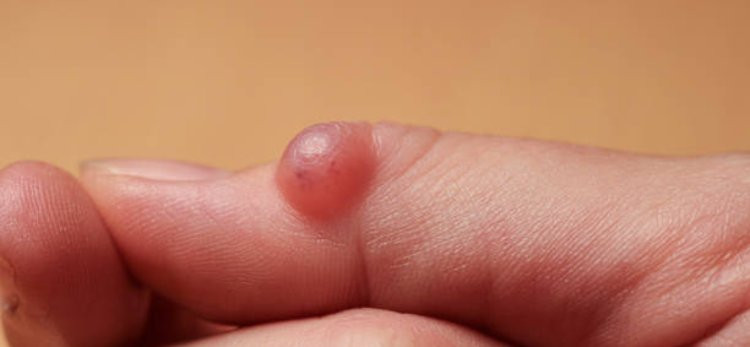
Wart removal is a common dermatological procedure that helps eliminate unwanted skin growths caused by certain types of human papillomavirus (HPV). Although many procedures are straightforward, the treated skin needs time to heal properly. Avoiding certain activities, skincare products, and habits can help reduce irritation, lower the risk of infection, and minimize the chances of scarring. If you are considering Warts Removal Treatment in Riyadh, understanding the correct aftercare routine can help you prepare for recovery and protect your skin after treatment.
After wart removal, you may experience temporary redness, tenderness, swelling, blistering, or crusting, depending on the procedure used. Cryotherapy, laser treatment, topical medications, and surgical removal can all require different aftercare measures. Ignoring these precautions may delay healing or cause additional skin damage. Before undergoing Warts Removal Treatment in Riyadh, discuss the expected recovery process with a qualified healthcare professional so you know which activities and products to avoid while your skin heals.
Avoid Picking, Scratching, or Popping Blisters
One of the most important precautions after wart removal is to leave the treated area undisturbed. Some procedures, especially cryotherapy, can cause blisters or scabs to develop as the skin repairs itself. Although these changes may be uncomfortable or noticeable, they are often part of the normal healing process.Picking at scabs, scratching the area, or popping blisters can expose delicate tissue and increase the risk of infection. It may also delay recovery and make scarring or pigmentation changes more likely. Allow blisters and crusts to heal naturally unless your healthcare professional gives you specific instructions.If the treated area becomes increasingly painful, develops pus, or shows spreading redness, contact a healthcare professional rather than attempting to remove damaged skin yourself.
Avoid Harsh Skincare Products
Healing skin can be more sensitive than usual, so avoid applying irritating products directly to the treatment site. Products containing strong exfoliating acids, retinoids, alcohol, fragrances, or other potentially irritating ingredients may cause discomfort or interfere with recovery.Do not apply salicylic acid or over-the-counter freezing products to a recently treated wart unless your clinician recommends further treatment. Using multiple wart-removal products without professional guidance may damage surrounding healthy skin.Avoid home remedies such as concentrated vinegar, bleach, or other caustic substances. These methods can cause chemical burns, irritation, and scarring. If you are unsure whether a cleanser, moisturizer, or ointment is appropriate, ask your healthcare professional before using it.
Do Not Ignore Wound-Care Instructions
Different wart removal procedures create different types of skin injuries. A small area treated with cryotherapy may need different care from a wound created through surgical removal or electrosurgery.Avoid removing a dressing too early, leaving a prescribed dressing dirty, or applying unapproved products to the site. Follow the instructions provided about cleaning, drying, covering, and protecting the treated area.If you have been advised to use a protective ointment, apply it as directed. Do not automatically use antibiotic creams or disinfectants unless recommended, as some products can irritate the skin or cause allergic reactions.If your dressing becomes wet, dirty, or detached, follow your clinician’s guidance on replacing it. Contact the clinic if you are uncertain about wound care or notice signs that the area is not healing normally.
Avoid Excessive Sun Exposure
Sun exposure can make pigmentation changes more noticeable after skin treatment. The treated area may temporarily become darker or lighter than the surrounding skin, particularly after inflammation or blistering.While the skin is healing, protect the area from direct sunlight when practical. Clothing or a suitable covering can provide protection without irritating the treatment site. Once the skin has closed, ask your clinician whether sunscreen is appropriate and which type to use.Avoid applying sunscreen directly to an open wound unless specifically advised. Continue protecting healed skin from excessive sunlight, especially if you are concerned about discoloration.
Avoid Friction and Pressure on the Treated Area
Repeated rubbing can irritate healing skin and make discomfort worse. Try to avoid tight clothing, rough fabrics, or accessories that repeatedly rub against the treated site.If a wart was removed from your foot, choose comfortable footwear that does not place unnecessary pressure on the area. You may need to adjust certain activities temporarily if walking causes pain or friction. For warts on the hands or fingers, protect the site during activities that involve repeated pressure or contact.Avoid aggressive manicures or pedicures near the treated area, and do not use pumice stones, nail files, or other abrasive tools on healing skin. Resume your usual activities gradually, following any restrictions provided by your healthcare professional.
Avoid Swimming or Soaking an Open Wound Without Guidance
Whether you can swim or soak the treated area depends on the procedure and the condition of the skin. Prolonged soaking may soften healing tissue, loosen dressings, or increase irritation. Swimming may also expose an open wound to water that can introduce germs.If you have an open wound, blister, or dressing, ask your clinician when it is safe to swim, use a hot tub, or soak in a bath. Follow the recommended precautions until the area has healed sufficiently.Gentle washing may be allowed, but avoid scrubbing or prolonged exposure to water when your clinician has advised keeping the site dry.
Do Not Shave Over the Treated Area
Shaving over a healing wart removal site can cause small cuts, bleeding, and irritation. It may also disturb the healing surface and increase the risk of infection or scarring.Wait until the skin has healed before shaving directly over the area. If the wart was located in a hair-bearing region, use care when grooming nearby skin and avoid waxing or other hair-removal methods that may traumatize the site.Because HPV can remain in surrounding skin, shaving over an existing wart may also contribute to spreading the virus to nearby areas. Keep personal razors separate and do not share grooming tools.
Avoid Sharing Personal Care Items
Wart-causing HPV can spread through direct contact with infected skin and, in some circumstances, contaminated personal items. After wart removal, continue taking sensible hygiene precautions, especially if the treatment site has not fully healed.Avoid sharing towels, razors, nail clippers, socks, shoes, pumice stones, or files that contact affected areas. Wash your hands after touching the treated site, and clean personal grooming tools according to their care instructions.Do not pick at the treated area or touch other parts of your body immediately after handling it without washing your hands. These habits may help reduce the risk of spreading the virus, although they cannot eliminate the possibility of recurrence.
Avoid Smoking and Other Habits That May Affect Healing
Smoking can impair circulation and interfere with normal wound healing. If your procedure creates an open wound, avoiding smoking during recovery may support the healing process. Follow any additional advice provided by your healthcare professional about medications, alcohol, or activities that may affect your recovery.Do not take or apply medications specifically for wound healing without checking whether they are appropriate for your situation. If you have diabetes, poor circulation, or a weakened immune system, seek individualized aftercare advice because your skin may need closer monitoring.
Know Which Symptoms Should Not Be Ignored
Mild redness, tenderness, or blistering can occur after some wart removal procedures. However, worsening symptoms may indicate a complication that needs medical attention.Contact a healthcare professional if you notice spreading redness, increasing pain, pus, unusual discharge, or swelling that continues to worsen. Seek prompt care for fever, significant bleeding that does not stop with steady pressure, or other severe symptoms.Do not attempt to treat a suspected infection with harsh chemicals or unapproved home remedies. Early assessment can help identify the problem and guide appropriate treatment.
Professional Aftercare for Wart Removal in Riyadh
Proper aftercare helps protect the skin after wart removal and may reduce avoidable complications. The precautions you need depend on the treatment method, the wart’s location, and your skin’s healing response. For individuals considering Warts Removal Treatment in Riyadh, a qualified healthcare professional can explain what to avoid, how to care for the treated area, and when to return for follow-up assessment.
Book a Consultation at Royal Clinic Saudia
If you are planning wart removal or have concerns about your recovery, Royal Clinic Saudia can help you explore suitable treatment and aftercare options. A consultation allows a qualified healthcare professional to assess your skin, discuss potential side effects, and provide personalized recommendations for protecting the treated area. Contact Royal Clinic Saudia to arrange an appointment and receive guidance tailored to your skin concerns.
FAQs:
Can I shower after wart removal?
In many cases, gentle showering is possible, but the timing depends on the procedure and whether you have an open wound or dressing. Follow your clinician’s instructions and avoid scrubbing or soaking the treatment site.
Can I use skincare products after wart removal?
Some gentle products may be appropriate once the skin is healing, but strong exfoliants, retinoids, acids, and fragranced products may irritate the area. Ask your healthcare professional which products are safe for your specific treatment.
Should I exercise after wart removal?
Light activity may be possible, but avoid activities that cause friction, pressure, excessive sweating around a dressing, or pain at the treatment site. Follow any activity restrictions provided by your clinician.
How can I tell if my wart removal site is infected?
Warning signs include increasing pain, spreading redness, warmth, pus, worsening swelling, or fever. Seek medical advice if these symptoms occur, particularly if they are getting worse rather than improving.
Yorumlar (0)
Bu gönderi için henüz bir yorum yapılmamış.
Yorum Bırakın