


 12.10.2026
 4 görüntülenme
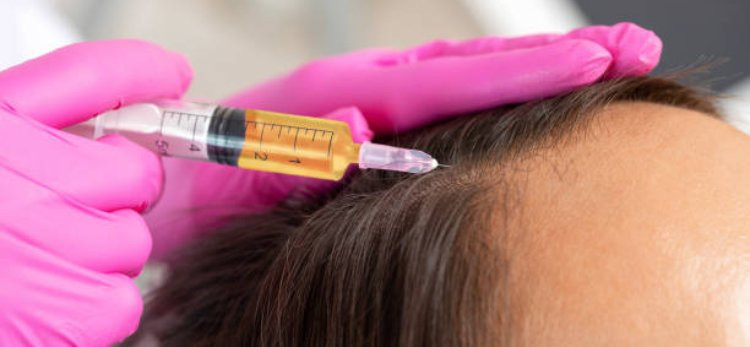
Platelet-rich plasma therapy has become an option for people exploring nonsurgical approaches to hair restoration. Understanding how the treatment is prepared can help patients feel more informed before a procedure and know what to expect during a clinical appointment. PRP hair treatment in Riyadh involves collecting a small sample of the patient's blood, processing it to concentrate platelets, and injecting the prepared plasma into selected areas of the scalp. Platelets contain growth factors involved in natural cellular communication and tissue repair, which may help support existing hair follicles in suitable candidates. The preparation process is an important part of treatment because the quality and composition of the final plasma can vary depending on the equipment and method used.
What Is Platelet-Rich Plasma Therapy?
Platelet-rich plasma, commonly known as PRP, is a preparation derived from a person's own blood. It contains plasma with a concentrated amount of platelets compared with the original blood sample. Platelets are best known for helping blood clot, but they also release growth factors and signaling substances involved in the body's repair processes.
PRP is used in different medical and aesthetic settings, including selected hair restoration treatments. For hair thinning, the prepared plasma is injected into specific scalp areas with the aim of supporting the local environment around existing follicles.
Although PRP may improve hair thickness or density in some people with certain types of nonscarring hair loss, results vary. It does not create new follicles or guarantee hair regrowth, making professional assessment important before treatment.
Why Proper PRP Preparation Matters
Preparing PRP involves separating and concentrating components of the blood while maintaining appropriate handling and hygiene standards. The aim is to produce a plasma preparation containing platelets suitable for the intended procedure.
Preparation methods can differ in centrifugation settings, collection systems, and the final platelet concentration. These differences may affect the composition of the prepared product and can contribute to variation in treatment protocols and outcomes.
Safe preparation also requires suitable equipment, appropriate blood-handling procedures, and sterile technique. Patients should be able to discuss the preparation method with their healthcare professional and understand how the procedure is performed.
Step One: Initial Consultation and Assessment
Before blood is collected, the healthcare professional reviews the patient's medical history and examines the scalp. This assessment helps identify the likely cause of hair loss and determine whether PRP may be suitable.
The clinician may ask about family history, the timing of shedding, current medications, previous treatments, and relevant health conditions. Sudden hair loss, patchy bald areas, scalp inflammation, or signs of scarring may require further medical investigation before PRP is considered.
This step also provides an opportunity to discuss expected benefits, limitations, possible side effects, and the number of sessions that may be recommended. Understanding the diagnosis helps ensure that PRP is not used as a substitute for treating an underlying condition.
Step Two: Collecting a Blood Sample
If treatment is appropriate, a healthcare professional collects a small amount of blood from a vein, commonly in the arm. The collection process is similar to routine blood sampling and generally takes only a short time.
The sample is collected into a designated tube or preparation system compatible with the PRP method being used. The equipment and handling procedures help preserve the sample for processing.
Patients may experience brief discomfort or mild bruising at the collection site. They should inform the clinician about any relevant medical conditions, bleeding concerns, or medications before the procedure.
Step Three: Separating Blood Components
After collection, the blood sample is placed in a centrifuge, a device that spins the sample at a controlled speed. This process separates blood components according to their physical properties.
Depending on the system and protocol, the preparation may separate red blood cells from plasma and platelet-containing portions. The healthcare professional then collects the designated portion for further preparation or use.
Centrifugation settings and processing techniques vary between systems. There is no single preparation method used by every provider, and differences in protocols can influence the final composition of the PRP.
Step Four: Preparing the Platelet-Rich Plasma
Once the blood components have been separated, the selected plasma fraction is prepared for injection according to the chosen protocol. The goal is to obtain a platelet-containing preparation suitable for the planned treatment.
The final composition can vary in platelet concentration, white blood cell content, and other characteristics. These differences are relevant because research has not established one universally optimal PRP formulation for every hair loss condition.
Appropriate handling, identification, and sterile technique are important throughout this stage. Patients should receive treatment from a qualified healthcare professional who follows applicable safety procedures.
Step Five: Preparing the Scalp for Treatment
Before the prepared plasma is injected, the scalp is examined and cleaned. The clinician identifies the areas to be treated based on the hair loss pattern, the condition of existing follicles, and the patient's treatment goals.
A topical numbing agent or another suitable method of pain control may be used to reduce discomfort. The approach depends on the treatment plan and the patient's needs.
Careful planning helps ensure that injections are directed toward the selected areas. However, the number and location of injections should be determined by the treating professional rather than following a fixed pattern for every patient.
How PRP Is Used in Hair Restoration
After preparation, the platelet-rich plasma is injected into selected scalp areas using fine needles. Platelets release growth factors and other signaling substances that participate in cellular communication and tissue repair.
Researchers are studying whether these signals can support follicular activity and improve hair characteristics in some forms of nonscarring hair loss. Some patients may experience improvements in hair thickness or density, but the response varies according to the underlying cause, the condition of the follicles, and the treatment protocol.
PRP cannot reliably restore hair where follicles have been permanently destroyed. A clinical assessment helps determine whether the treatment is reasonable for the individual's condition and whether additional or alternative treatments should be considered.
Safety and Aftercare Considerations
PRP uses a preparation made from the patient's own blood, but this does not eliminate every risk. Temporary tenderness, redness, swelling, or bruising may occur at injection sites. Infection is also possible if sterile procedures are not followed.
After treatment, patients should follow the healthcare professional's instructions regarding scalp washing, hair products, exercise, and other activities. They should ask before changing medications or stopping any prescribed treatment.
Severe pain, spreading redness, fever, or worsening symptoms require prompt medical assessment. Discussing possible risks and precautions before the procedure helps patients make informed decisions.
Book Your Appointment at Royal Clinic Saudi
If you are exploring nonsurgical options for hair thinning, Royal Clinic Saudi can be a starting point for discussing your concerns and learning about the PRP preparation and treatment process. During a consultation, you can find out whether PRP hair treatment in Riyadh may be appropriate for your scalp condition, how the preparation is performed, and what benefits and limitations to expect. A professional assessment can help you understand the procedure, ask questions about safety, and develop realistic hair restoration goals.
FAQs:
1. How is platelet-rich plasma prepared?
A small blood sample is collected and processed in a centrifuge to separate and concentrate platelet-containing plasma.
2. Does PRP use blood from another person?
No. In standard autologous PRP therapy, the preparation is made from the patient's own blood.
3. Does the PRP preparation method affect treatment?
Preparation systems and protocols can affect the final composition, and research has not established one universally optimal method for every patient.
4. Is PRP preparation painful?
Blood collection may cause brief discomfort, and scalp injections can also be uncomfortable. A clinician may use a suitable numbing method to reduce discomfort.
Yorumlar (0)
Bu gönderi için henüz bir yorum yapılmamış.
Yorum Bırakın