


 14.10.2026
 6 görüntülenme
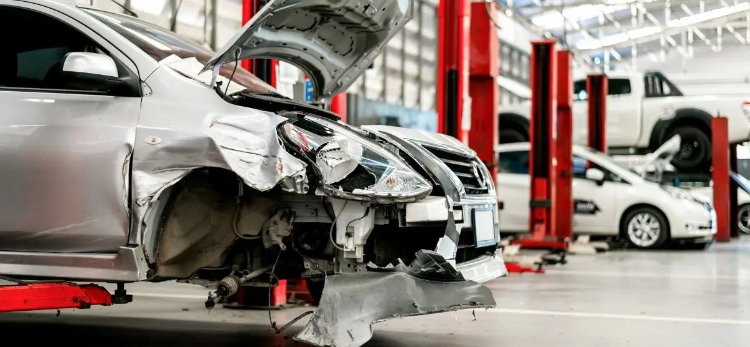
Car body damage can happen for many reasons, from small parking accidents to road collisions and bad weather. Scratches, dents, cracked bumpers and damaged paintwork can affect the look of your vehicle. In more serious cases, the damage may also affect its safety and value. Coach works services can help repair these problems and restore a vehicle to a good condition. Knowing about the different types of car body repairs can help you understand what your vehicle needs and choose the right repair service.
1. Dent Removal
Dent removal is one of the most common types of car body repair. Dents can happen when another car hits your vehicle, a trolley strikes the door or something falls onto the bodywork.
Small dents can sometimes be repaired without removing the paint. This method is known as paintless dent removal. A technician uses special tools to carefully push the damaged metal back into its original shape.
However, larger dents or those with damaged paint may need filling, sanding and repainting. The best repair method depends on the size, depth and location of the dent.
Removing dents can improve the appearance of your vehicle and help prevent further problems if the paint has been damaged.
2. Scratch Repair
Scratches can appear on a car when it brushes against a wall, tree branch or another vehicle. They can also happen when someone accidentally uses the wrong cleaning materials.
Not all scratches need the same treatment. Light scratches may only affect the clear coat, which protects the paint. These can often be improved through polishing.
Deeper scratches may reach the paint layer or expose the metal underneath. In these cases, the damaged area may need to be sanded, treated and repainted.
It is important to repair deep scratches before rust develops. This is especially useful for UK drivers, as regular rain and damp weather can increase the risk of corrosion when bare metal is exposed.
3. Bumper Repairs
Bumpers are designed to help manage impacts, but they can still become cracked, scratched or dented. Minor damage often happens in car parks or during slow-speed collisions.
The repair method depends on the type of bumper and the level of damage. Small scratches may be repaired through sanding and repainting, while certain cracks in plastic bumpers can be repaired using suitable methods.
If the bumper is badly damaged, replacement may be the safer option. A technician should also check the parts behind it, as an impact can damage mounting points, sensors or other components.
Modern vehicles may have parking sensors and cameras fitted to their bumpers. These systems may need checking or recalibration after certain repairs.
4. Car Paintwork Repair
Paintwork repairs help restore the colour and finish of a vehicle after damage. They may be needed following a scratch, dent repair, collision or exposure to conditions that have affected the paint.
The process usually starts with preparing the damaged area. This may involve cleaning, sanding and applying a suitable primer. The correct paint is then applied, followed by a protective clear coat where required.
Matching the original colour is an important part of the job. Technicians may use paint codes and colour-matching equipment to get a close match.
Depending on the damage, the repair may involve painting a small section or blending the colour into nearby panels. Proper preparation and finishing can help the repaired area look more consistent with the rest of the car.
5. Panel Replacement
Sometimes, a damaged body panel cannot be repaired properly. In these cases, replacing it may be the best option.
Common panels that may need replacement include doors, wings, bonnets and boot lids. The decision depends on the amount of damage, the material used and whether the panel can be restored safely.
After fitting a replacement panel, the technician checks that it lines up correctly with the surrounding panels. Doors and bonnets must open and close properly, while gaps should be even.
The replacement panel may also need painting to match the vehicle. Using suitable parts and following the manufacturer's repair guidance can help maintain the quality of the repair.
6. Accident Damage Repairs
Accident damage repairs cover a wide range of work following a road collision. The damage may involve several parts of the vehicle, including the bodywork, bumpers, lights, doors and structural areas.
The first step is usually a full inspection to identify visible and hidden damage. A technician then prepares a repair plan based on the vehicle's condition.
Minor accidents may only require a small amount of bodywork and paint repair. More serious collisions can involve panel replacement, mechanical work or structural repairs.
It is important not to judge the damage by appearance alone. A vehicle that looks mostly normal may still have problems with its suspension, steering or safety systems. Any necessary checks should be completed before the car returns to the road.
7. Rust and Corrosion Repair
Rust develops when metal reacts with moisture and oxygen. It can be a common problem for vehicles exposed to wet weather, road salt and damaged paintwork.
Rust may first appear as small brown spots or bubbles beneath the paint. If left untreated, it can spread and cause the metal to weaken.
Minor rust may be treated by removing the affected material, preparing the surface and applying suitable protective products and paint. More serious corrosion may require a section of metal to be replaced.
Structural rust needs particular care because it can affect the strength and safety of the vehicle. Regular checks and early repairs can help stop corrosion from becoming a bigger problem.
8. Frame and Structural Repairs
A serious collision can damage the structure of a vehicle. This may affect the frame or other parts designed to support the body and protect people inside.
Structural repairs require specialist knowledge and equipment. Technicians may use measuring systems to check whether damaged areas have moved away from the manufacturer's required measurements.
The repair process may involve carefully straightening approved repair areas or replacing damaged structural sections. The correct method depends on the vehicle's design and the extent of the damage.
These repairs should be carried out by trained professionals who follow the manufacturer's instructions. Poor structural repairs can affect vehicle safety, so a proper assessment is essential.
9. Headlight and Light Repairs
Headlights, rear lights and indicators can become cracked or broken during accidents. Damaged lights may reduce visibility and make it harder for other road users to see your vehicle.
Small issues, such as cloudy headlight covers, may sometimes be improved through suitable restoration. However, cracked housings, broken fittings or damaged electrical parts may require replacement.
After the repair, the lights should be checked to make sure they work correctly. Headlight alignment may also need adjusting to provide proper visibility without dazzling other drivers.
Keeping vehicle lights in good condition is important for safe driving, particularly during dark winter evenings and periods of heavy rain.
How Do You Choose the Right Car Body Repair Service?
Choosing the right repair service depends on the type of damage, your vehicle and the quality of work required. Before booking, ask the repair centre to inspect the vehicle and explain the recommended work.
It is also worth checking the following points:
Experience: Choose technicians with experience in repairing your vehicle type and the damage involved.
Repair methods: Ask how the damage will be repaired and whether parts need replacing.
Paint matching: Check how the repair centre matches paint colours and finishes.
Clear estimates: Request a written estimate covering labour, parts and paintwork.
Safety checks: For accident damage, confirm whether structural, mechanical and electronic checks are needed.
Warranty: Ask whether the repair work and replacement parts are covered by a warranty.
If you are claiming through your insurer, check which repair options are available under your policy before authorising the work.
Conclusion:
There are several types of car body repairs, ranging from dent removal and scratch repair to bumper replacement, rust treatment and structural repairs. Each type addresses a different problem, so the right solution depends on the damage and the condition of your vehicle.
Dealing with damage early can help prevent further issues and maintain your car's appearance and value. For serious accident damage, a professional inspection is particularly important to identify hidden problems and make sure the necessary repairs are completed correctly.
By understanding the available repair options, you can make a better decision about your vehicle and keep it looking good and safe for the road.
Also, read: Why Choose Reliable Crash Repairs for Car Damage?
Yorumlar (0)
Bu gönderi için henüz bir yorum yapılmamış.
Yorum Bırakın