


 20.10.2026
 8 görüntülenme
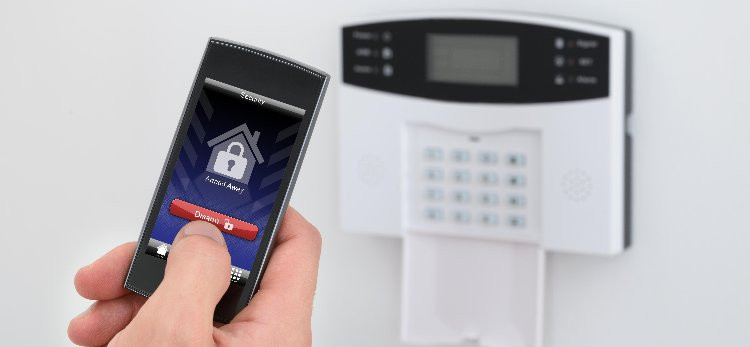
Ensuring safety in a building doesn't start when and end when the last staff member leaves for the day. All businesses require a reliable system to manage who can enter their building, which areas of the building they are allowed to enter, and when they are allowed there. This is the reason why it is extremely crucial to take good care of your security system. A proper access control system installation is useful for businesses to ensure the security of their property, keep track of the changes taking place in the business, and reduce the possibilities of anyone getting access to the business without their consent. But the installation of e-locks or card readers is not sufficient.
Understanding the Building's Security Needs
The requirements for security are unique to each building. A small office may only need to deal with access to its main door, while a manufacturing plant may require varying levels of access for different storage areas, workspaces, and secure areas of the building. It is important to see how they are going to use the space before installing. This will involve navigating how the key doors are situated, where the emergency exit is, areas with important information, tools and equipment and safe places for sensitive information. Consider also the total number of people who work or come to visit, or are taken on for caring for short-term tasks.
Choosing the Right Access Control Technology
A ramp-up of tools used will have a substantial impact on the success of an access control system. Some have limited usability, ease, or control depending on the technology, so which one to select takes into consideration the use of the building. They are still in use because card and key fobs are simple to understand and operate. Employees can be granted access using a valid ID card, which will be scanned by an employee, and admins have the ability to block an employee from using their ID card in case a card is lost or if the employee moves on to a different company.
Professional Installation and Proper Placement
Good equipment doesn't always function properly when it isn't assembled properly. The wiring should be kept safe, the electronic locks should operate correctly on the doors they are designed for, and readers should be located where users so they can be easily accessed. The installer should also consider what the building's existing system is and how it is configured. Larger spaces may require a larger network to accommodate more connected devices, and older buildings may require additional wiring or modifications to existing electrical systems. Ideally, it would be best to review these in advance, as negative surprises can mean more expensive and longer projects.
To Change the Clear Access Permissions
One of the major advantages of an electronic access control system is that it can be used to decide which people are allowed access to the appropriate access control zones. Access rights must be configured so that all have the privileges required for the duties that they will perform, if this feature is to be effective. For instance, office staff may require access to a work cubicle, and financial staff will need to access a room in which critical papers are stored. Cleaning staff may require access only for part of the day, and visitors to the property may require access only for their local stay.
Integrating Access Control With Other Security Systems
Access control is more effective if it is being implemented in conjunction with other safeguards. It could be connected with CCTV cameras, intruder alarms, visitor management software or BMS depending upon the requirements of the property. A linked CCTV video, for instance, can aid security staff in identifying what transpired during the time range an access reader logged the individual when that person enters a building. The built-in alarm system can alert the appropriate persons if anyone should attempt to gain unauthorised entry.
Identifies and Tests the System Prior to Handover
After the installation is done, it's important to do careful testing. All readers, locks and access points should be tested to ensure they are operating correctly with authorised and non-authorised credentials. Testing should cover a typical event as well as an unusual event: for example, if an access card is lost, a network issue occurs, or there is a power outage. It is important that the installer ensures the doors function adequately in these scenarios, and that emergency escape doors comply with fire and building safety regulations.
Maintenance & Routine Security Audits
Access control is not a single-time effort. As time goes by, equipment can break down, software might need to be updated, and the organisation's security needs can change. Regular maintenance can discover these issues at an early stage before they become a big problem. Readers should be inspected for damage, locks should be tested to ensure they function properly, and backup power systems should be examined if installed. Software and attached devices should be updated with proper security, and admin accounts should be secured with strong passwords and proper access rights.
Final Words
A reliable access control system is not only effective, but it also prevents trespassers from entering the premises. This provides businesses with greater control over their own space and enables them to manage entries on a day-to-day basis more efficiently without additional hassle. There are many small details that can make it more or less safe. It is also important to provide a system that is reliable in the long run through regular maintenance and by maintaining access permissions.
Also, read: How Electronic Entry Systems Help Improve Security
Yorumlar (0)
Bu gönderi için henüz bir yorum yapılmamış.
Yorum Bırakın