


 20.10.2026
 7 görüntülenme
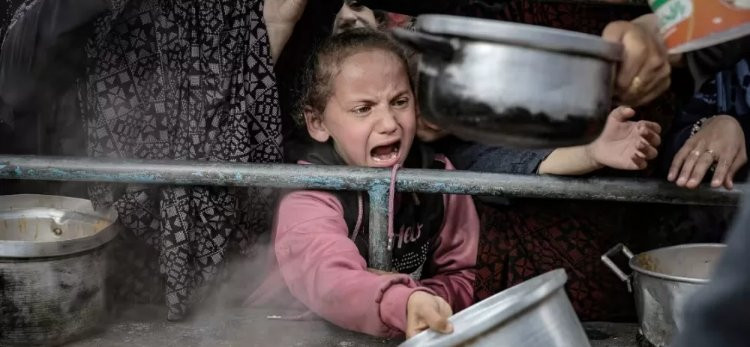
Daily existence has turned into a battle to secure essentials in Gaza. Access to food, safe drinking water, and secure housing is crucial for survival, yet ongoing humanitarian issues make it difficult for many families to obtain these necessities. Children, elderly individuals, and those with disabilities are especially at risk when resources are limited, a nd living situations become hazardous. A Gaza emergency appeal can raise awareness and inspire individuals to back relief initiatives for those impacted. Recognising the importance of these essentials is the initial step toward responding with empathy and effective action.
Food Is Essential for Survival and Strength
Access to healthy food is critical for sustaining health, maintaining energy, and helping the body recover from illness. When families are unable to secure sufficient food, parents may find it hard to care for their children, while younger ones are at heightened risk for malnutrition. Ongoing shortages can also diminish the immune response and hinder physical growth. For parents in Gaza, acquiring consistent meals can lead to tough choices regarding how to distribute limited resources among family members. Humanitarian food aid can deliver necessary staples, ready-to-eat meals, and specialised nutrition as needed. Reliable food distribution helps families meet immediate nutritional needs while reducing the anxiety of uncertain meal sources.
Clean Water Protects Families From Disease
Water is crucial for drinking, cooking, washing, and sustaining basic hygiene practices. When clean water is scarce, families may rely on unsafe sources or ration limited supplies across vital tasks. Polluted water can transmit diseases, such as diarrheal infections, which can be particularly risky for children and those with pre-existing health issues. Safe drinking water can be ensured through delivery, purification systems, and repaired supply networks, which can significantly reduce these risks. Hygiene products and sanitation facilities are also essential since clean water alone cannot stop disease if families lack safe spaces to wash or dispose of waste. Availability of water is a fundamental need, not a luxury, essential for health and dignity.
Safe Shelter Offers Protection and Stability
A secure sleeping environment provides more than mere shelter. It shields families from extreme weather, ensures privacy, and gives children a place to rest. When homes are compromised or destroyed, families may be forced to seek temporary accommodations or overcrowded situations that offer little protection from the elements. Emergency shelter support may encompass tents, tarpaulins, blankets, sleeping mats, and other necessary household items. When feasible, long-term assistance should aim to help families secure safer accommodations and restore acceptable living conditions. Shelter also contributes to emotional wellbeing by instilling a greater sense of security during unpredictable times. Lacking adequate protection can make even basic daily tasks challenging and exhausting.
Children and Vulnerable People Need Extra Support
Humanitarian emergencies impact everyone, yet certain individuals encounter heightened dangers. For their growth and development, children need consistent nutrition, clean drinking water, healthcare services, and safe environments. Elderly individuals and those with disabilities may face extra challenges in receiving assistance, while pregnant women and individuals with chronic health conditions often need tailored support services. Humanitarian agencies can help by identifying at-risk households, distributing vital resources equitably, and delivering services that meet diverse needs. Protecting children, aiding caregivers, and guaranteeing accessible support can enhance the effectiveness of relief initiatives. These strategies also uphold dignity by recognising that families are not merely aid recipients; they are individuals with distinct needs, relationships, and aspirations for the future.
The Impact of Humanitarian Aid
Contributions and humanitarian support are crucial in supplying food packages, safe drinking water, temporary housing, hygiene supplies, and other necessities. Nevertheless, aid's success depends on reliable delivery, effective coordination, and access to affected populations. Because needs can shift rapidly, relief organisations should continually assess conditions and allocate resources to the areas with the greatest need. Individuals eager to assist can back established humanitarian groups, disseminate verified requests for aid, and motivate others to understand the requirements of affected families. Before donating, it is important to verify an organisation's trustworthiness, how it uses funds, and whether it provides clear updates on its operations.
Conclusion
While humanitarian assistance cannot solve every issue, it plays a vital role in addressing pressing needs and easing pressure on at-risk households. Through thoughtful donations, increased awareness, and sustained compassion, individuals can engage in relief efforts that prioritise human dignity. Every family has the right to essential resources, and every genuine endeavour to provide such support is a movement toward a safer and more humane future.
Also, read: Why Does Milkshake Taste Better With Fresh Fruit?
Yorumlar (0)
Bu gönderi için henüz bir yorum yapılmamış.
Yorum Bırakın