


 22.10.2026
 6 görüntülenme
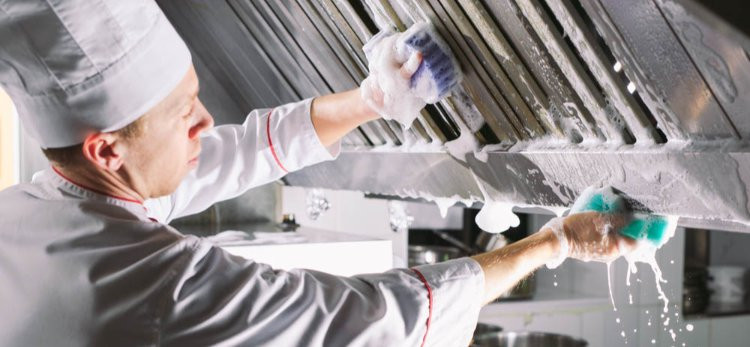
The equipment of a commercial kitchen, which serves as the hub of every catering operation, is the mechanism that keeps the engine running. From refrigerators and ovens to fryers and dishwashers, every piece of equipment is essential to delivering food safely, consistently, and effectively. If your equipment malfunctions, it may interrupt service, incur repair and revenue loss expenses, and tarnish your image. Because of this, maintenance isn't a "nice-to-have" option but rather an essential component of a successful kitchen. A structured maintenance programme ensures your kitchen runs at top performance and protects your investment, whether you own a restaurant, café, hotel, or catering company. Reconditioned catering equipment provides a dependable and cost-effective substitute for purchasing new equipment for companies wishing to affordably upgrade their obsolete machines. Eight important methods for maintaining commercial kitchen equipment are described in this manual.
Create a Daily Cleaning Schedule
Any maintenance program is based on regular cleaning. After each service, all equipment must be thoroughly cleaned to remove food particles, grease, and residue. This helps avoid the accumulation of dangerous germs and reduces the possibility of cross-contamination. Unremoved grease on fryers, grills, and ovens can become a fire risk. You may also check your equipment for symptoms of wear or damage by cleaning it. Regular cleaning increases the longevity of your equipment by stopping the corrosive impacts of grease and food acids, and a tidy kitchen is a secure one.
Implement a Deep Clean Every Week
To maintain equipment performance, a weekly deep cleaning is necessary in addition to daily cleaning. Examples of these activities include descaling coffee machines, cleaning condenser coils on refrigerators, and degreasing extraction hoods and filters. They are too time-consuming for regular schedules. To avoid the accumulation of dust that might overwork and ruin the compressor, refrigerator coils should be cleaned every three months. In addition, thorough cleaning allows for the inspection of loose fittings, worn cables, and other indications of wear that, if ignored, may become serious problems.
Temperatures and Calibration Monitoring
It is essential to maintain a precise temperature in order to guarantee both the quality of the cooking and the safety of the meal. To avoid food spoiling, refrigerators and freezers must keep temperatures at a safe level, whereas ovens and grills require precise calibration to achieve consistent cooking results. Make a system where workers often log the temperatures of all cooking equipment and cold storage devices. This not only assures compliance with food hygiene rules, but also pinpoints equipment that may be struggling to maintain temperature, signalling a possible fault. An oven and thermostat should be calibrated regularly by a qualified technician.
Educate Staff on Appropriate Use
Making sure that all personnel are adequately educated in the proper use of the equipment is one of the greatest strategies to avoid damage to it. Overloading ovens, employing incorrect cleaning products, or forcing handles and doors are a few examples of human mistakes that lead to many outages. Proper operational processes, cleaning procedures, and fundamental troubleshooting for each piece of equipment must all be included in a thorough training session. To spot early warning signals of a breakdown, such as strange odors, peculiar noises, or inconsistent performance, employees should also be taught. By providing your team with this information, they may act as the initial line of protection against equipment breakdown.
Maintain a Thorough Maintenance Record
Keeping a thorough logbook for every piece of equipment is a very helpful habit. This record needs to contain all maintenance, repairs, servicing dates, and cleaning activities. The equipment's performance and recurrence of wear or problems are revealed through a clearly kept record. In addition, this documentation is essential for warranty claims and health and safety inspections since it shows that appropriate maintenance is being performed. You may foresee when equipment is nearing the end of its useful life and make arrangements for replacement or a significant overhaul by reviewing the log on a regular basis.
Conclusion:
A critical duty that directly influences the safety, profit, and success of any foodservice company is maintaining commercial kitchen equipment. You may substantially increase the longevity of your equipment and avoid costly breakdowns by performing daily cleaning, weekly deep cleaning, temperature monitoring, staff training, and professional servicing. Maintaining a thorough maintenance diary and performing repairs promptly also ensure dependability. Catering Equipment provides an inexpensive and environmentally friendly choice when replacement is required. A well-kept kitchen serves as the cornerstone of a successful restaurant business, ensuring consistent quality and repeat clientele.
Als, read: Why Does Milkshake Taste Better With Fresh Fruit?
Yorumlar (0)
Bu gönderi için henüz bir yorum yapılmamış.
Yorum Bırakın