


 23.11.2026
 1 görüntülenme
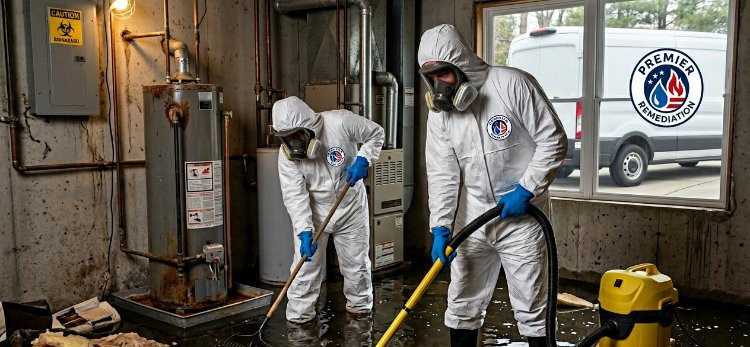
Need Emergency Water Damage Restoration in Boise, ID? Call +1 (833) 445-1978 to discuss water damage cleanup and restoration options for your home. When a pipe bursts, an appliance leaks, or heavy rain causes flooding, quick action can help limit damage to floors, walls, furniture, and personal belongings. For information about emergency water damage cleanup in Boise, contact +1 (833) 445-1978 and explain what happened.
Water can spread into flooring, drywall, insulation, and other building materials before the damage is fully visible. That is why homeowners should take water intrusion seriously, even when the affected area appears small. If you are looking into professional water extraction in Boise, +1 (833) 445-1978 is available for service inquiries. Understanding the source of the water and the extent of the damage helps determine the right next steps. For assistance discussing water damage restoration near Boise, ID, call +1 (833) 445-1978.
1. What Is Emergency Water Damage Restoration?
Emergency water damage restoration in Boise is the process of addressing unexpected water intrusion, removing standing water, drying affected areas, and repairing materials when necessary. The goal is to prevent additional damage and return the property to a safe, usable condition.
A restoration project may include water removal, moisture detection, structural drying, cleaning, and repairs. The appropriate approach depends on the water source, how long the materials have been wet, and which parts of the property are affected.
Water Extraction and Removal
Standing water should be addressed promptly. Technicians may use specialized pumps and extraction equipment to remove water from floors, carpets, and other accessible areas.
Structural Drying
After water removal, affected building materials may still contain moisture. Air movers and dehumidifiers can help dry floors, walls, and other areas that need attention.
2. What Are the Most Common Water Damage Problems?
Boise homeowners can experience water damage from plumbing failures, appliance leaks, roof problems, and weather-related events. Common issues include:
Burst or Leaking Pipes
A damaged supply line or burst pipe can release water into cabinets, ceilings, walls, and floors. Even a small leak may cause damage if it continues unnoticed.
Basement and Crawl Space Flooding
Water can enter lower levels through foundation openings, drainage problems, or groundwater intrusion. Persistent moisture in these areas may affect stored belongings and building materials.
Appliance Leaks
Washing machines, dishwashers, refrigerators, and water heaters can develop leaks. A failed hose or connection may allow water to spread across nearby flooring.
Roof and Ceiling Leaks
Damaged shingles, flashing, or roof penetrations can allow rain and melting snow to enter the home. Water stains or bubbling paint may indicate moisture behind the ceiling surface.
3. What Causes Emergency Water Damage in Boise?
Understanding the source of water damage helps homeowners decide what needs attention first. Common causes of water damage in Boise, Idaho include:
Plumbing Failures
Aging pipes, loose fittings, damaged valves, and frozen plumbing can lead to unexpected leaks. Insulated pipes and routine plumbing inspections may help reduce certain risks.
Heavy Rain and Drainage Problems
Rainwater can collect around a foundation when gutters, downspouts, or grading do not direct water away from the house. Blocked drainage systems may increase the chance of basement moisture.
Water Heater and Appliance Malfunctions
A leaking water heater tank, washing machine hose, or dishwasher connection can cause indoor flooding. Checking visible hoses and connections can help homeowners notice problems earlier.
Sewer or Drain Backups
Blocked sewer lines and overloaded drains can cause contaminated water to enter a property. This type of water requires special precautions and professional assessment.
4. What Are the Warning Signs of Water Damage?
Not all water damage is immediately obvious. Homeowners should look for changes that may indicate hidden moisture.
Water Stains and Discoloration
Brown or yellow marks on ceilings and walls may point to a roof leak, plumbing problem, or moisture trapped inside a structure.
Musty Odors
A persistent musty smell can indicate damp materials or hidden moisture. The odor may be noticeable before visible damage appears.
Warped Floors and Peeling Paint
Wood flooring may swell, laminate may lift, and paint may bubble when moisture affects the materials beneath the surface.
Unusual Dampness
Wet carpet, soft drywall, or moisture around baseboards may indicate a leak. If the source is unclear, a moisture inspection can help identify affected areas.
5. What Types of Water Damage Restoration Services Are Available?
The right restoration service depends on the source and extent of the damage. Common water damage restoration services in Boise, ID include:
Emergency Water Extraction
This service focuses on removing standing water from affected rooms and accessible areas. Prompt extraction can help limit the amount of water absorbed by building materials.
Structural Drying and Dehumidification
Drying equipment helps remove moisture from the air and affected materials. Technicians may monitor moisture levels to determine whether additional drying is needed.
Carpet and Flooring Restoration
Depending on the material, water exposure, and contamination level, flooring may be cleaned, dried, repaired, or replaced.
Mold Prevention and Moisture Control
Keeping materials dry and addressing moisture sources can reduce conditions that support mold growth. If mold is already present, the affected area may need a separate assessment and appropriate remediation.
6. Why Is Professional Water Damage Restoration Important?
Water can travel beyond the area where it first appears. Moisture may move beneath flooring, behind cabinets, or inside wall cavities. Professional water damage restoration in Boise can help identify the full affected area and determine an appropriate response.
Restoration professionals may use moisture meters, thermal imaging equipment, extraction systems, air movers, and dehumidifiers. These tools can help locate hidden moisture and support a more thorough drying process.
Professional assessment is particularly important when water involves electrical systems, sewage, extensive flooding, or structural materials. Homeowners should avoid entering unsafe areas and should not attempt to handle contaminated water themselves.
7. How to Find Emergency Water Damage Restoration Near Me in Boise, ID?
When searching for water damage restoration near me in Boise, look for a service provider that clearly explains its inspection, extraction, drying, and repair process.
Before arranging service, consider asking:
Does the provider handle the type of water damage affecting your home?
Can they explain how moisture will be detected and monitored?
Will they identify the source of the water intrusion?
Can they provide a written estimate or explain possible costs?
Do they explain which materials may need cleaning, repair, or replacement?
It is also helpful to review service details and ask about the expected timeline. Clear communication can make a stressful situation easier to manage.
8. Is Same-Day Water Damage Restoration Available?
Some restoration providers offer same-day assessments or emergency response, depending on availability, location, and the size of the incident. Homeowners looking for same-day water damage restoration in Boise should ask directly about current scheduling.
The timing of service may depend on the amount of standing water, the type of property, access to the affected area, and the equipment required. A small appliance leak may need a different response than extensive basement flooding.
Do not wait for a scheduled appointment if there is an immediate safety concern. If water is near electrical equipment, avoid the area and contact the appropriate emergency professional.
9. What Emergency Solutions Are Available for Water Damage?
The first priority during a water emergency is safety. Once the area is safe to access, the next steps depend on the source and severity of the problem.
Stop the Water Source
If it is safe, shut off the relevant water supply. For a major plumbing leak, the home's main water shutoff may help stop additional water from entering.
Protect People and Pets
Keep children and pets away from flooded rooms, contaminated water, and damaged electrical equipment. Never walk through standing water if electrical hazards may be present.
Document the Damage
Take photographs or videos of affected rooms and belongings when it is safe to do so. This documentation may be useful when discussing an insurance claim.
Arrange Water Removal and Drying
Once the situation is safe, professional extraction and drying may help limit further damage. The restoration plan should address both visible water and hidden moisture.
10. How Does a Professional Water Damage Restoration Process Work?
A typical water damage restoration process in Boise involves several stages. The exact steps vary based on the property and the source of the water.
Initial assessment: The affected areas and likely water source are inspected.
Water extraction: Standing water is removed using suitable equipment.
Moisture inspection: Technicians check materials and surrounding areas for trapped moisture.
Drying and dehumidification: Equipment is used to reduce moisture in the structure.
Cleaning and sanitizing: Appropriate cleaning methods are selected based on the water category and affected materials.
Repairs and restoration: Damaged materials are repaired or replaced when necessary.
Final checks: Moisture conditions and completed work are reviewed.
A clear process helps homeowners understand what is happening and what work may still be required.
11. How Much Does Emergency Water Damage Restoration Cost?
The cost of emergency water damage restoration in Boise, ID depends on several factors. There is no single price that applies to every property.
Important cost factors include:
The amount of water that entered the property
The size of the affected area
The source and contamination level of the water
The type of flooring, drywall, insulation, or other materials involved
The equipment and drying time required
Whether repairs or material replacement are necessary
Ask for an itemized estimate that explains extraction, drying, cleaning, demolition, and reconstruction costs separately where applicable. If you plan to file an insurance claim, contact your insurer and keep records of the damage and related expenses.
12. Should You Repair or Replace Water-Damaged Materials?
Whether a material can be restored depends on its condition, how long it was wet, and the type of water involved.
Materials That May Be Restorable
Some hard surfaces and certain flooring materials may be cleaned and dried successfully when the water is clean and the materials remain in suitable condition.
Materials That May Need Replacement
Saturated insulation, severely damaged drywall, swollen particleboard, and contaminated porous materials may require removal. A professional assessment can help determine which materials can safely remain.
Avoid covering damp materials with new flooring, paint, or trim. Trapped moisture can contribute to ongoing damage.
13. How Can Boise Homeowners Prevent Future Water Damage?
Preventive maintenance can reduce the likelihood of certain water emergencies.
Inspect plumbing connections and visible supply lines periodically.
Replace worn appliance hoses when needed.
Check water heaters for signs of corrosion or leakage.
Keep gutters and downspouts clear.
Direct roof drainage away from the foundation.
Inspect ceilings and walls for stains or unusual dampness.
Know where the main water shutoff is located.
Consider a leak detection device near high-risk appliances.
Boise's seasonal weather can bring changing temperatures and winter conditions. Protecting vulnerable plumbing and addressing drainage concerns can help reduce some weather-related risks.
14. When Should You Contact a Professional Water Damage Technician?
Contact a qualified restoration professional when water affects multiple rooms, enters walls or ceilings, reaches flooring or insulation, or remains after the visible water has been removed.
Professional help is also important when the water may contain sewage or other contaminants. Do not handle contaminated water without proper training and protective equipment.
If you notice a persistent musty smell, recurring dampness, or unexplained water stains, arrange an inspection to identify the underlying issue. Addressing the source is essential to preventing repeated damage.
15. Contact Us for Professional Emergency Water Damage Restoration in Boise, ID
Unexpected water damage can disrupt your home and daily routine. Getting clear information about water removal, drying, and repair options can help you decide what to do next.
For questions about emergency water damage restoration in Boise, ID, call +1 (833) 445-1978. Explain the type of water problem, which rooms are affected, and whether the water source has been stopped. You can also call +1 (833) 445-1978 to discuss water extraction and restoration service options.
For service inquiries and information about next steps, contact +1 (833) 445-1978.
16. Frequently Asked Questions About Emergency Water Damage Restoration in Boise
1. How quickly should water damage be addressed?
Water damage should be addressed as soon as it is safe to do so. Delays can allow moisture to spread into flooring, drywall, and other materials. For information about emergency water damage cleanup in Boise, call +1 (833) 445-1978.
2. What should I do first if my Boise home floods?
Prioritize safety, keep people away from electrical hazards, and stop the water source only if it is safe. Avoid entering contaminated or electrically unsafe areas. For restoration service information, contact +1 (833) 445-1978.
3. Can water damage cause mold?
Yes. Persistent moisture can create conditions that support mold growth. Drying affected materials and correcting the source of water are important steps. To discuss water damage restoration in Boise, call +1 (833) 445-1978.
4. Does homeowners insurance cover water damage?
Coverage depends on the policy and the cause of the damage. Sudden accidental plumbing leaks may be treated differently from gradual leaks or flooding. Contact your insurance company and keep documentation. For restoration questions, call +1 (833) 445-1978.
5. How long does water damage restoration take?
The timeline depends on the amount of water, affected materials, drying conditions, and repair needs. Some projects take several days, while extensive damage can require longer. Discuss your situation by calling +1 (833) 445-1978.
6. Can wet carpet be saved after a water leak?
Sometimes. The answer depends on the water source, how long the carpet remained wet, the backing and padding condition, and whether contamination occurred. For water extraction in Boise, contact +1 (833) 445-1978.
7. Is professional water extraction necessary after a small leak?
Not every small leak requires extensive restoration, but water can travel beneath flooring and behind walls. If materials remain damp or the source is uncertain, an assessment may be helpful. Call +1 (833) 445-1978 for service information.
8. What is included in emergency water damage restoration?
Services may include inspection, water extraction, moisture detection, structural drying, cleaning, and repairs. The work depends on the property's condition and the type of water involved. To ask about emergency water damage restoration in Boise, ID, call +1 (833) 445-1978.
17. Conclusion
Water damage can affect more than the visible surface of a home. Leaking pipes, appliance failures, roof problems, and flooding may allow moisture to spread into floors, walls, and other building materials. Recognizing warning signs and responding promptly can help reduce additional damage.
For Boise homeowners, a practical restoration plan should identify the water source, remove standing water, dry affected materials, and determine whether repairs or replacement are necessary. Safety should always come first, especially when water is near electrical systems or may be contaminated.
If you need information about Emergency Water Damage Restoration in Boise, ID, call +1 (833) 445-1978. To discuss water extraction and cleanup options, reach +1 (833) 445-1978. For questions about restoration services and possible next steps, contact +1 (833) 445-1978. Prompt attention and a suitable restoration approach can help protect your property and support a safer recovery. For service inquiries, call +1 (833) 445-1978.
Yorumlar (0)
Bu gönderi için henüz bir yorum yapılmamış.
Yorum Bırakın