


 23.11.2026
 1 görüntülenme
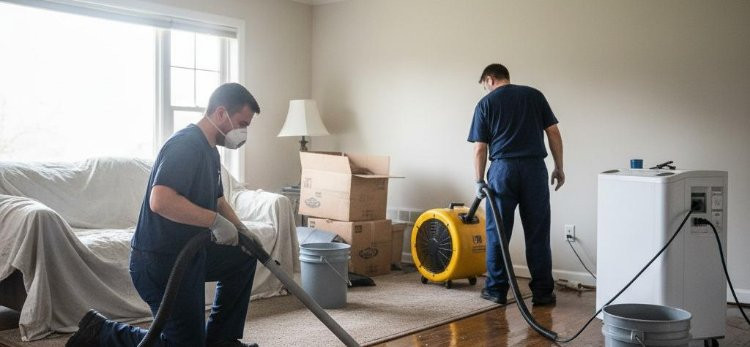
Need Flood Water Removal in Buckeye, AZ? Call +1 (833) 445-1978 to discuss water extraction and cleanup options for your property. Floodwater can spread quickly through living spaces, garages, and lower-level areas, soaking carpets, damaging drywall, and affecting personal belongings. If your home has standing water after a storm, plumbing failure, or drainage problem, contact +1 (833) 445-1978 for information about available restoration services.
Buckeye homeowners should take flooding seriously, even when the water appears shallow. Moisture can move beneath flooring, into wall cavities, and behind cabinets, making the affected area larger than it first looks. A suitable flood water cleanup service in Buckeye can help identify affected materials, remove standing water, and determine what needs to be dried or repaired. For questions about emergency water removal in Buckeye, AZ, reach +1 (833) 445-1978. Getting information about the right next steps can help you protect your property and avoid unnecessary delays. To discuss professional flood water removal near you, call +1 (833) 445-1978.
1. What Is Flood Water Removal?
Flood water removal in Buckeye, AZ is the process of extracting unwanted water from a home or building after flooding. It may involve removing standing water, checking moisture levels, drying affected materials, and arranging cleaning or repairs where needed.
Flooding can come from several sources, including heavy rainfall, roof leaks, plumbing failures, overflowing appliances, or drainage problems. The correct cleanup method depends on where the water came from and whether it may contain contaminants.
Standing Water Extraction
Water extraction removes pooled water from floors, carpets, garages, and other affected areas. Restoration professionals may use pumps and specialized extraction equipment depending on the volume of water.
Drying and Dehumidification
Removing visible water is only one part of cleanup. Moisture can remain inside drywall, flooring, insulation, and wood framing. Air movers and dehumidifiers may help dry these materials.
2. What Are the Most Common Flood Water Problems?
Flooding can affect different parts of a property, sometimes in ways homeowners do not immediately notice. Common flood damage problems in Buckeye include:
Flooded Garages
Garages may collect water when rainwater flows toward the building, drainage becomes blocked, or water enters beneath a door. Stored belongings, tools, and nearby walls may be affected.
Wet Carpets and Flooring
Carpet padding can absorb significant amounts of water. Laminate and some wood flooring may swell, separate, or become distorted after prolonged exposure.
Wet Drywall and Baseboards
Water may travel upward from the floor or enter through a wall opening. Soft drywall, bubbling paint, and swollen baseboards can indicate moisture inside the wall.
Crawl Space and Foundation Moisture
Water collecting around or beneath a home may affect stored materials, insulation, and accessible structural components. Persistent moisture should be assessed to identify the source.
3. What Causes Flood Water Removal Emergencies in Buckeye, AZ?
Although Buckeye has a desert climate, sudden storms and household water failures can still cause flooding. Common causes of residential flood damage in Buckeye, Arizona include:
Heavy Rain and Flash Flooding
Intense rainfall can produce rapid runoff, particularly where drainage systems cannot move water away quickly. Water may enter through garages, low points around the property, or vulnerable openings.
Poor Yard Drainage
Ground that slopes toward the house can direct rainwater toward the foundation. Clogged drainage channels and downspouts may also contribute to water accumulation.
Burst or Leaking Pipes
A damaged pipe, failed fitting, or broken supply line can release water inside the home. Leaks may affect cabinets, ceilings, walls, and flooring.
Appliance and Water Heater Leaks
Washing machines, dishwashers, refrigerators, and water heaters can leak because of worn hoses, loose connections, or equipment failure.
4. What Are the Warning Signs of Flood Damage?
Not all flood damage is obvious. Watch for these signs of water damage in Buckeye homes:
Discolored Walls and Ceilings
Brown marks, peeling paint, or bubbling surfaces may indicate that water has entered building materials.
Musty or Damp Odors
A persistent damp smell may suggest moisture remains in flooring, wall cavities, or other concealed spaces.
Warped Flooring
Swollen boards, lifting laminate, loose tiles, or damp carpet may indicate water has reached the flooring system.
Unexpected Damp Spots
Wet baseboards, soft drywall, and moisture around cabinets can point to a hidden leak or water intrusion.
5. What Types of Flood Water Removal Services Are Available?
The appropriate flood water removal services in Buckeye, AZ depend on the amount and source of water, as well as the materials affected.
Emergency Water Extraction
Extraction equipment removes standing water from accessible areas. Removing pooled water can help reduce further absorption into floors and nearby materials.
Structural Drying
Structural drying addresses moisture that remains in walls, floors, and other building components. Technicians may monitor moisture levels to evaluate drying progress.
Carpet and Flooring Cleanup
Depending on the water category and material condition, carpets and flooring may be cleaned, dried, repaired, or replaced.
Cleaning and Sanitizing
Water from outside flooding or sewage backups may contain contaminants. Appropriate cleaning and disinfection methods should be selected based on the water source and affected materials.
6. Why Is Professional Flood Water Removal Important?
Professional flood water removal in Buckeye can help homeowners identify damage that may not be visible from the surface. Water can travel beneath flooring, behind cabinets, and inside wall cavities.
Restoration professionals may use moisture meters and other inspection tools to locate damp materials. They can also determine which drying equipment and cleaning methods are appropriate for the situation.
Professional help is especially important when flooding involves sewage, outdoor runoff, extensive standing water, or possible electrical hazards. Avoid entering flooded areas when electrical equipment may be affected. Do not handle contaminated water without appropriate training and protection.
7. How to Find Flood Water Removal Near Me in Buckeye, AZ?
When searching for flood water removal near me in Buckeye, compare service providers based on their experience with the type of flooding affecting your property and the clarity of their process.
Before arranging work, ask:
Do they provide water extraction and structural drying?
Can they explain how hidden moisture will be checked?
Will they identify or discuss the source of the water?
Can they explain which materials may need replacement?
Will they provide a written estimate or explain potential costs?
Look for clear communication about the work, expected timeline, and any additional repairs that may be necessary.
8. Is Same-Day Flood Water Removal Available?
Some restoration providers offer same-day assessments or emergency water removal, depending on staffing, location, and service availability. If you need same-day flood water removal in Buckeye, AZ, ask about current scheduling and the type of response they can provide.
The time required may depend on the amount of standing water, the affected rooms, access to the property, and the equipment needed. A small laundry-room leak may require a different response from widespread storm flooding.
Do not delay addressing immediate safety concerns while waiting for a service appointment. Stay away from water near electrical systems and contact the appropriate emergency professional if the area is unsafe.
9. What Emergency Solutions Are Available for Flood Water Removal?
The first step in a flooding emergency is protecting people and pets. Once the property is safe, homeowners can take practical steps to limit additional damage.
Stop the Water Source if Safe
If a plumbing failure is responsible, shut off the relevant water supply only if you can do so safely. Avoid entering flooded spaces to reach electrical panels or equipment.
Keep People Away From Floodwater
Floodwater may contain dirt, chemicals, sewage, or other contaminants. Keep children and pets away from affected rooms.
Document the Damage
Take photos or videos when it is safe. Record affected rooms and damaged belongings for your own records and possible insurance discussions.
Arrange Water Extraction
Once the area is safe, arrange appropriate water removal and drying. A restoration assessment can help identify materials that may need additional attention.
10. How Does a Professional Water Damage Restoration Process Work?
A typical flood water restoration process in Buckeye, AZ includes several stages:
Inspection: The affected rooms and likely water source are assessed.
Water extraction: Standing water is removed using suitable equipment.
Moisture detection: Affected materials are checked for hidden moisture.
Drying: Air movers and dehumidifiers may be used to reduce moisture.
Cleaning: Surfaces and belongings are cleaned using methods appropriate to the water source.
Repairs: Damaged materials may be repaired or replaced when necessary.
Final assessment: Moisture conditions and completed work are reviewed.
The exact process depends on the extent of flooding and the condition of the property.
11. How Much Does Flood Water Removal Cost?
The cost of flood water removal in Buckeye, AZ varies from one property to another. A small area with limited clean water exposure may require less work than a flooded home with contaminated water and damaged building materials.
Factors that affect cost include:
The amount of water that must be removed
The size of the affected area
The source and contamination level of the water
The type of flooring, drywall, and insulation involved
The drying equipment and time required
Whether demolition, cleaning, or reconstruction is needed
Ask for a written estimate that explains the expected work. If you plan to file an insurance claim, contact your insurer to understand your policy and keep records of the damage.
12. Should You Repair or Replace Water-Damaged Materials?
Some materials can be restored, while others may need replacement. The decision depends on the type of material, how long it was wet, and whether the water was contaminated.
Materials That May Be Restored
Certain hard surfaces and some flooring materials may be cleaned and dried if they remain structurally sound and have not been exposed to contaminated water.
Materials That May Need Replacement
Saturated insulation, severely damaged drywall, swollen particleboard, and some carpet padding may need to be removed. A qualified assessment can help determine what is suitable to keep.
Avoid covering damp materials with new flooring or paint. Moisture should be addressed before repairs conceal the affected area.
13. How Can Buckeye Homeowners Prevent Future Flood Damage?
Preventive maintenance can reduce the likelihood of some water emergencies. Consider these practical steps:
Keep gutters and drainage areas clear.
Check that downspouts direct water away from the house.
Inspect visible plumbing connections for leaks.
Replace worn appliance hoses when needed.
Check water heaters for corrosion or signs of leakage.
Avoid storing valuable belongings directly on garage floors.
Inspect doors, windows, and roof areas for possible water entry.
Know where the main water shutoff is located.
After a major storm, check accessible areas for standing water or signs of moisture. Address drainage problems before the next period of heavy rain.
14. When Should You Contact a Professional Water Damage Technician?
Contact a restoration professional when water affects several rooms, enters walls or flooring, remains after basic water removal, or may contain contaminants. An inspection is also worthwhile when you notice recurring dampness or unexplained water stains.
If water is near electrical outlets, appliances, or wiring, stay out of the affected area until it has been confirmed safe. Sewage backups and outdoor floodwater also require careful handling.
A professional assessment can help determine the extent of the damage and which cleanup or repair steps are appropriate.
15. Contact Us for Professional Flood Water Removal in Buckeye, AZ
Flooding can interrupt daily life and leave homeowners unsure about what to do next. Understanding the water source, affected materials, and required cleanup can make the recovery process more manageable.
For questions about flood water removal in Buckeye, AZ, call +1 (833) 445-1978. Explain where the water entered, which rooms are affected, and whether the source has been stopped. You can also contact +1 (833) 445-1978 to discuss water extraction and drying options.
For service information and help understanding possible next steps, reach +1 (833) 445-1978.
16. Frequently Asked Questions About Flood Water Removal in Buckeye
1. How quickly should floodwater be removed from a home?
Floodwater should be addressed as soon as the property is safe to enter. Delays may allow more moisture to spread into flooring, drywall, and other materials. For flood water removal in Buckeye, call +1 (833) 445-1978.
2. What should I do if my Buckeye home floods after a storm?
Keep people and pets away from the water, avoid electrical hazards, and document the damage when safe. Do not handle potentially contaminated floodwater yourself. For restoration service information, contact +1 (833) 445-1978.
3. Can floodwater damage happen in a desert city like Buckeye?
Yes. Heavy rainfall, rapid runoff, drainage issues, and plumbing failures can all cause indoor flooding. If your property has water intrusion, call +1 (833) 445-1978 to discuss emergency water removal in Buckeye, AZ.
4. Can wet carpet be saved after flooding?
Sometimes, but it depends on the water source, how long the carpet remained wet, and the condition of its padding. Contaminated water may make replacement necessary. For flood cleanup in Buckeye, contact +1 (833) 445-1978.
5. Does homeowners insurance cover flood water removal?
Coverage depends on the cause of the water damage and the details of your policy. A standard homeowners policy may treat storm flooding differently from a sudden plumbing leak. Call your insurer and keep documentation. For restoration questions, reach +1 (833) 445-1978.
6. How long does flood water removal and drying take?
The timeline depends on the affected area, amount of water, materials involved, and drying conditions. Some projects take several days, while extensive damage may take longer. To discuss water extraction in Buckeye, call +1 (833) 445-1978.
7. Can water damage lead to mold growth?
Yes. Damp materials can support mold growth if moisture remains. Proper drying and correcting the source of water are important. For information about water damage restoration in Buckeye, contact +1 (833) 445-1978.
8. What does professional flood water removal include?
Depending on the situation, services may include inspection, water extraction, moisture detection, structural drying, cleaning, and repairs. The exact work depends on the water source and damage. For professional flood water removal in Buckeye, AZ, call +1 (833) 445-1978.
17. Conclusion
Flooding can damage more than the surfaces homeowners see first. Water may spread beneath flooring, into drywall, and behind cabinets, creating problems that remain hidden after standing water disappears. Whether flooding comes from heavy rain, drainage issues, or a plumbing failure, prompt attention can help limit further damage.
For homeowners in Buckeye, a sensible response includes protecting people and pets, identifying the water source, arranging suitable extraction, and checking affected materials for remaining moisture. Contaminated water and electrical hazards should always be handled with appropriate professional help.
If you need information about Flood Water Removal in Buckeye, AZ, call +1 (833) 445-1978. To discuss water extraction and cleanup options, contact +1 (833) 445-1978. For questions about drying and restoration services, reach +1 (833) 445-1978. Taking the right steps can help protect your home and support a more organized recovery. For service inquiries, call +1 (833) 445-1978.
Yorumlar (0)
Bu gönderi için henüz bir yorum yapılmamış.
Yorum Bırakın