


 23.11.2026
 1 görüntülenme
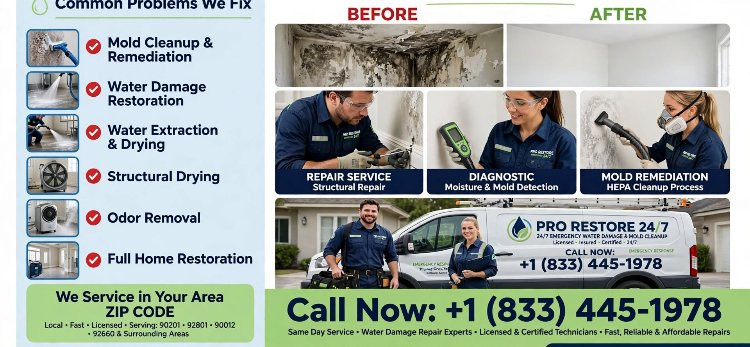
Basement mold removal Vail services can help homeowners address hidden moisture problems and protect their properties. Call +1 (833) 445-1978 for information about professional mold removal and water damage restoration. If you notice musty odors, damp walls, or visible mold, +1 (833) 445-1978 can be your contact for discussing possible restoration solutions. Basement mold often develops when moisture remains trapped in walls, flooring, insulation, or other building materials. Vail's seasonal weather, snow accumulation, melting snow, and occasional heavy rainfall can contribute to basement moisture problems. Taking action early can help prevent further property damage and reduce the chance of recurring mold growth. Whether your basement has experienced flooding, a plumbing leak, or persistent humidity, identifying the moisture source is an important first step. For homeowners researching professional mold remediation in Vail, understanding the available solutions makes it easier to choose the right approach. If you suspect a mold problem, contact +1 (833) 445-1978 to discuss your restoration needs. Getting the right information early can help you make informed decisions and protect your home. For assistance exploring basement mold cleanup in Vail, call +1 (833) 445-1978.
1. What Is Basement Mold Removal?
Basement mold removal is the process of identifying, containing, and removing mold growth from affected basement surfaces and materials. Mold commonly develops in damp environments where moisture remains for extended periods.
Professional basement mold remediation in Vail generally involves identifying moisture sources, assessing affected materials, establishing appropriate containment, and cleaning or removing contaminated materials when necessary.
A complete restoration approach may include:
Identifying visible and hidden mold growth.
Finding the source of excess moisture.
Cleaning appropriate affected surfaces.
Removing materials that cannot be adequately cleaned.
Addressing basement humidity.
Checking for remaining moisture problems.
Homeowners searching for mold removal companies near Vail should understand that simply cleaning visible mold does not necessarily resolve the underlying issue.
2. What Are the Most Common Basement Mold Problems?
Basements have several conditions that encourage mold growth, including limited ventilation, water intrusion, and elevated humidity. Understanding common problems helps homeowners recognize when basement mold cleanup may be necessary.
Mold on Basement Walls
Concrete walls, drywall, and painted surfaces can develop mold when moisture penetrates the basement. Water entering through foundation cracks may create conditions that encourage mold growth.
Mold Under Basement Flooring
Water can collect underneath carpet, laminate, and other flooring materials. Even when the surface appears dry, moisture trapped underneath can contribute to mold development.
Mold Around Basement Windows
Poor window sealing and condensation can allow moisture to accumulate around basement window frames, creating opportunities for mold growth.
Mold on Wooden Basement Structures
Wooden framing, support structures, and shelving can become affected when exposed to persistent moisture.
If you notice these issues, basement mold inspection in Vail can help identify the extent of the problem.
3. What Causes Basement Mold in Vail?
Understanding the causes of mold growth is essential for effective basement mold removal in Vail. Mold spores naturally exist in indoor and outdoor environments, but moisture allows them to grow on suitable materials.
Snowmelt and Seasonal Moisture
Vail experiences seasonal snowfall and snowmelt. Water accumulating around a foundation may enter through vulnerable areas, increasing basement moisture.
Foundation Cracks
Small foundation cracks can allow groundwater and rainwater to enter the basement. Continued water intrusion may create favorable conditions for mold.
Plumbing Leaks
Leaking water supply lines, drainage pipes, and plumbing connections can introduce moisture behind walls and beneath floors.
Poor Basement Ventilation
Limited airflow can allow humid air to remain trapped inside the basement.
Condensation and High Humidity
Temperature differences between basement surfaces and indoor air can produce condensation, especially around windows, pipes, and concrete walls.
Identifying these sources helps make basement mold remediation services more effective and reduces the possibility of recurring problems.
4. What Are the Warning Signs of Basement Mold?
Mold is not always immediately visible. Homeowners should watch for several indicators when considering mold inspection in Vail.
Persistent Musty Odors
A damp, earthy smell may indicate hidden mold growth behind drywall, under flooring, or inside storage areas.
Visible Mold Spots
Black, green, gray, or other colored patches may appear on basement walls, ceilings, wood, and household materials. Color alone cannot identify the type of mold.
Peeling Paint and Wallpaper
Moisture can cause paint to bubble, wallpaper to loosen, and wall finishes to deteriorate.
Damp Basement Materials
Wet carpets, soft drywall, and discolored wooden structures can indicate an ongoing moisture issue.
Recurring Condensation
Regular condensation on basement windows or pipes may suggest excessive indoor humidity.
If these warning signs appear, a professional basement mold assessment can help determine whether remediation is needed.
5. What Types of Basement Mold Removal Services Are Available?
Different basement conditions require different restoration approaches. The appropriate basement mold removal services in Vail depend on the affected materials, moisture levels, and extent of contamination.
Surface Mold Cleaning
Suitable nonporous surfaces may be cleaned using appropriate methods and products. Cleaning must address the underlying moisture problem.
Drywall Mold Removal
Mold-affected drywall may need to be removed when contamination has penetrated the material or cleaning cannot adequately address the damage.
Basement Carpet and Padding Removal
Wet or mold-contaminated carpet padding may require removal because porous materials can retain moisture.
Structural Material Remediation
Wood framing and other building materials require careful evaluation to determine whether cleaning or replacement is appropriate.
Moisture Control and Dehumidification
Dehumidification helps reduce excessive indoor moisture and supports the drying process.
Choosing the correct mold remediation solutions helps address both visible contamination and the conditions that caused it.
6. Why Is Professional Basement Mold Removal Important?
Professional basement mold remediation in Vail can help homeowners address contamination safely and systematically.
Mold problems sometimes extend beyond visible surfaces. Growth may develop behind cabinets, beneath flooring, or inside wall cavities.
Professional remediation may provide several benefits:
Better identification of moisture sources.
Appropriate containment of affected areas.
More thorough assessment of damaged materials.
Proper removal of unsuitable building materials.
Moisture monitoring during restoration.
Recommendations for preventing future mold problems.
Homeowners searching for professional mold removal near me should look for providers who explain their assessment and remediation procedures clearly.
7. How to Find Basement Mold Removal Near Me?
Finding a suitable basement mold removal company in Vail, CO requires more than comparing service prices.
Consider these factors before selecting a restoration provider.
Experience With Basement Moisture Problems
Ask whether the provider handles foundation moisture, plumbing leaks, basement flooding, and mold remediation.
Inspection and Assessment
A reliable provider should explain how affected areas and moisture sources will be evaluated.
Clear Service Estimates
Request a written estimate describing the proposed work, materials, and any additional services.
Appropriate Safety Procedures
Ask about containment, protective equipment, cleaning practices, and disposal procedures.
Communication and Documentation
Choose a company that explains its findings and provides clear information about the restoration process.
Searching for basement mold removal near Vail should help you identify providers who understand local property conditions.
8. Is Same-Day Basement Mold Removal Available?
Some restoration providers offer same-day inspections or emergency response, depending on availability, weather, and the severity of the situation.
For homeowners searching for same-day mold removal in Vail, it is important to distinguish between an initial response and completing the entire remediation process.
An initial service visit may involve:
Evaluating visible mold growth.
Identifying active water intrusion.
Assessing affected building materials.
Discussing immediate moisture-control measures.
Planning the appropriate remediation work.
Complete emergency basement mold remediation may require additional time for containment, material removal, cleaning, and drying.
Contact a local provider to confirm availability and response times.
9. What Emergency Solutions Are Available for Basement Mold?
Basement mold problems associated with flooding or active leaks should be evaluated promptly. Immediate attention can help limit additional property damage.
Stop the Source of Water
If a plumbing leak is responsible, arrange appropriate plumbing repairs. Avoid entering flooded areas where electrical hazards may exist.
Address Standing Water
Significant basement flooding may require professional water extraction equipment.
Protect Unaffected Belongings
Move unaffected belongings away from damp areas when it is safe to do so.
Arrange Professional Assessment
A restoration professional can evaluate affected materials and recommend suitable emergency mold removal services.
Avoid disturbing extensive mold growth or attempting to clean large contaminated areas yourself.
10. How Does a Professional Water Damage Restoration Process Work?
Basement mold remediation often overlaps with water damage restoration in Vail, particularly when mold develops after flooding or leaks.
A typical restoration process includes several stages.
Initial inspection: Identify visible damage, moisture sources, and affected areas.
Moisture assessment: Use appropriate equipment to evaluate moisture conditions.
Containment: Establish suitable containment to limit the spread of mold-contaminated materials.
Water removal: Extract standing water when necessary.
Material removal: Remove materials that cannot be adequately cleaned.
Cleaning: Clean appropriate surfaces using suitable remediation methods.
Drying: Use professional drying equipment and dehumidification when needed.
Final evaluation: Review completed work and remaining moisture concerns.
This organized approach supports effective water damage and mold restoration while helping reduce the possibility of recurring problems.
11. How Much Does Basement Mold Removal Cost?
The cost of basement mold removal in Vail, Colorado depends on several factors. There is no single price that applies to every basement.
Important cost considerations include:
Size of the affected area.
Location of mold growth.
Type of affected building materials.
Amount of water damage.
Accessibility of contaminated areas.
Required containment procedures.
Cleaning and material replacement needs.
Additional plumbing or foundation repairs.
A small surface-cleaning project generally requires less work than extensive mold contamination involving multiple rooms or hidden wall cavities.
Homeowners searching for basement mold removal cost in Vail should request an on-site assessment and an itemized estimate before approving the work.
12. Should You Repair or Replace Water-Damaged Materials?
The decision to repair or replace materials depends on their condition, moisture exposure, and whether they can be adequately cleaned.
Materials That May Be Cleaned
Some nonporous materials, including metal, glass, and certain hard surfaces, may be cleaned when appropriate.
Materials That May Need Replacement
Porous materials such as heavily contaminated drywall, carpet padding, and damaged insulation may require removal.
Wooden Structures
Wood framing and structural materials should be evaluated carefully. Some materials may be cleaned and dried, while others may require replacement.
A professional assessment helps determine the appropriate water-damaged basement repair approach.
13. How Can Homeowners Prevent Future Basement Mold?
Preventing mold requires controlling moisture and maintaining basement conditions.
Consider these practical steps:
Inspect foundation walls regularly.
Repair plumbing leaks promptly.
Keep gutters and downspouts clear.
Direct rainwater away from the foundation.
Check basement window seals.
Maintain appropriate indoor humidity.
Use a dehumidifier when necessary.
Inspect carpets and stored belongings for moisture.
Address condensation around pipes and windows.
Check basement drainage systems periodically.
For Vail homeowners, monitoring seasonal snowmelt and drainage around the property is particularly important.
These habits can help reduce the need for future basement mold prevention and remediation.
14. When Should You Contact a Professional Water Damage Technician?
Contact a qualified professional when you notice persistent moisture, extensive visible mold, recurring basement leaks, or water damage affecting multiple materials.
Professional assistance is particularly important when:
Mold covers a substantial area.
Mold growth appears inside wall cavities.
Basement flooding has occurred.
Water has affected electrical or mechanical systems.
Mold repeatedly returns after cleaning.
You suspect contaminated HVAC components.
For homeowners researching water damage restoration near Vail, CO, early assessment can help identify the necessary repairs before the damage becomes more extensive.
15. Contact Us for Professional Basement Mold Removal in Vail
A damp basement can affect your home's comfort, building materials, and indoor environment. Addressing moisture problems early is an important part of protecting your property.
For information about basement mold removal in Vail, call +1 (833) 445-1978. Discuss your concerns, describe the affected basement areas, and ask about available inspection and remediation services.
Whether you are dealing with a leaking pipe, basement flooding, damp drywall, or persistent musty odors, understanding the cause is the first step toward an appropriate solution.
Call +1 (833) 445-1978 to discuss your basement restoration needs. For service information and assistance, reach out at +1 (833) 445-1978.
16. Frequently Asked Questions About Basement Mold Removal in Vail
1. How do I know if my Vail basement has mold?
A persistent musty smell, visible discoloration, damp drywall, and recurring moisture may indicate mold growth. A professional basement mold inspection in Vail can help identify affected areas. Call +1 (833) 445-1978 for service information and assistance.
2. What causes basement mold in Colorado homes?
Common causes include snowmelt, foundation leaks, plumbing problems, condensation, and excessive humidity. Proper basement moisture control in Colorado helps reduce these conditions. Call +1 (833) 445-1978 to discuss restoration options.
3. Can basement mold return after professional removal?
Yes. Mold can return when moisture problems remain unresolved. Effective basement mold remediation should address the underlying water source and drying requirements. For assistance, call +1 (833) 445-1978.
4. How long does basement mold removal take?
The timeline depends on the affected area, materials, moisture conditions, and required repairs. Smaller projects may take less time, while extensive basement mold restoration can require several stages. Contact +1 (833) 445-1978 for information.
5. Is basement mold dangerous to homeowners?
Mold exposure can cause allergic reactions and irritation in some people, particularly those with asthma or mold sensitivities. Avoid disturbing extensive mold growth. Professional mold remediation services in Vail can help address the problem. Call +1 (833) 445-1978.
6. Does homeowners insurance cover basement mold removal?
Coverage depends on the insurance policy and the circumstances that caused the mold. Sudden and accidental water damage may receive different treatment from long-term maintenance issues. Ask your insurer about basement mold removal insurance coverage. For restoration information, call +1 (833) 445-1978.
7. Can I remove basement mold myself?
Small areas of mold on suitable hard surfaces may sometimes be cleaned safely. However, extensive contamination, recurring growth, and mold involving porous materials require greater care. Professional basement mold cleanup in Vail may be appropriate. Call +1 (833) 445-1978 for assistance.
8. How can I prevent basement mold during winter in Vail?
Monitor indoor humidity, inspect windows and foundation walls, maintain drainage, and address plumbing leaks promptly. Managing moisture from seasonal snowmelt is also important for winter basement mold prevention in Vail. Call +1 (833) 445-1978 for restoration information.
17. Conclusion
Basement mold can develop when excess moisture remains trapped inside your home. From foundation leaks and plumbing problems to condensation and seasonal snowmelt, several conditions can contribute to mold growth.
Professional basement mold removal in Vail focuses on identifying the source of moisture, evaluating affected materials, and selecting appropriate cleaning, removal, and drying methods.
Homeowners should not ignore musty odors, visible mold, or recurring dampness. Taking action early can help limit property damage and reduce the possibility of future mold problems.
If your basement needs attention, call +1 (833) 445-1978 to discuss available restoration services. For information about professional basement mold remediation in Vail, CO, contact +1 (833) 445-1978. Protecting your home starts with understanding the moisture problem and choosing the right restoration approach.
For basement mold removal and water damage restoration information, call +1 (833) 445-1978 today.
Yorumlar (0)
Bu gönderi için henüz bir yorum yapılmamış.
Yorum Bırakın