


 12.08.2026
 59 görüntülenme
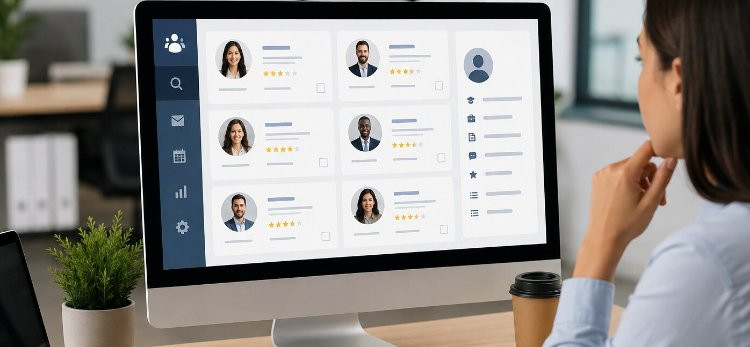
Payroll data is among the most sensitive information a business manages. Employee salaries, bank details, tax information, personal records, attendance data, and payslips all need to be handled carefully. When this information is stored across spreadsheets, email attachments, paper files, or different devices, controlling access can become difficult.
This is where Payroll Management Software can provide a more structured approach. Modern payroll platforms can centralize employee information, restrict access based on user roles, maintain activity records, and reduce the need to share sensitive files manually.
What Is Payroll Data Security?
Payroll data security refers to the processes and technologies businesses use to protect employee and payroll information from unauthorized access, accidental disclosure, alteration, loss, or misuse.
Because payroll systems can contain salary information, bank account details, tax records, and other personal information, businesses need to carefully manage who can access these records and what actions they can perform.
A centralized payroll platform can help businesses create a more controlled environment for storing and managing this information.
1. Centralizes Sensitive Payroll Information
One of the main advantages of using payroll software is centralized data management. Without a dedicated system, payroll information may be spread across spreadsheets, email accounts, physical documents, and different computers.
Keeping sensitive information in multiple locations makes it harder to determine which records are current and who has access to them.
A centralized Payroll Management Software platform can keep relevant employee and payroll information within one controlled system. This reduces the need to maintain multiple copies of sensitive payroll files.
2. Controls Access to Payroll Records
Not every employee needs access to salary information. Giving unnecessary access to payroll data can increase security risks.
Modern payroll systems can provide role-based permissions that allow businesses to determine what different users can view or modify. For example, an HR administrator may require broader access than a department manager, while an employee may only need access to their own payroll information.
Restricting access according to job responsibilities can help businesses reduce unnecessary exposure of confidential payroll information.
3. Reduces Manual File Sharing
Sharing payroll spreadsheets through email or messaging applications can create unnecessary risks. Files containing salary or bank information may be downloaded, forwarded, copied, or stored on devices that are not properly protected.
Payroll software can reduce the need to repeatedly send payroll files between HR, finance, and management teams.
Instead, authorized users can access relevant information directly through the platform. This creates a more controlled workflow and reduces the number of separate copies of sensitive payroll data.
4. Protects Employee Information in One Place
Payroll information is closely connected to employee records. Changes to salary, bank details, deductions, or other payroll information should be handled carefully.
A centralized system makes it easier for authorized administrators to maintain employee records without relying on multiple versions of spreadsheets.
This can also help businesses identify where the latest payroll information is stored and reduce confusion caused by outdated files.
5. Helps Prevent Unauthorized Payroll Changes
Payroll security is not only about preventing people from viewing sensitive information. Businesses also need to protect payroll records from unauthorized changes.
A change to an employee's salary, bank account, deduction, or payment information can have serious consequences if it is made incorrectly or without authorization.
Access controls can limit who is allowed to make changes to important payroll records. Businesses can also introduce approval workflows for sensitive changes to create an additional layer of oversight.
6. Provides Better Visibility Through Activity Records
Businesses should be able to understand what happens to important payroll information. When several people work with spreadsheets, it may be difficult to determine who changed a particular record or when the change was made.
Depending on the platform, payroll software may provide activity logs or audit trails that record important actions performed within the system.
These records can help administrators review changes, investigate unusual activity, and maintain greater accountability.
7. Supports Stronger Authentication
A payroll account should not rely on weak or shared passwords. If an unauthorized person gains access to an administrator account, confidential employee information could potentially be exposed.
Payroll systems that support multi-factor authentication can add another layer of protection beyond a username and password.
Businesses should also encourage employees to use strong, unique passwords and avoid sharing login credentials.
8. Reduces Dependence on Spreadsheets
Spreadsheets can be useful for many business tasks, but they become harder to control when they are used as the primary payroll system.
A payroll spreadsheet may be downloaded, copied, emailed, or stored on several devices. Multiple versions can also make it difficult to determine which file contains the latest information.
Moving payroll processes into dedicated software can reduce dependence on manually shared files and create a more consistent environment for managing employee information.
9. Helps Protect Payroll Documents
Payslips, tax documents, payroll reports, and other employee records can contain confidential information. Businesses need to consider how these documents are stored and delivered.
Some payroll platforms provide protected employee portals where users can access their own payroll information rather than receiving sensitive documents through unsecured channels.
Secure employee portals, password-protected documents, and controlled access can help businesses improve the way payroll information is distributed.
10. Improves Attendance and Payroll Data Handling
Payroll often depends on information collected through attendance and leave processes. Working hours, absences, overtime, and approved leave may all influence salary calculations.
Businesses looking to improve this process can explore this attendance management software to understand how digital attendance systems can organize employee attendance information.
Connecting attendance and payroll processes can reduce unnecessary manual transfers of employee information. It can also support simplifying attendance management while creating a more organized flow of information between different HR functions.
11. Supports Better Attendance Data Accuracy
Accurate attendance information is important when payroll depends on working hours, absences, overtime, or attendance-based deductions.
When attendance information is maintained manually, HR teams may need to collect records from several sources before payroll can be processed. This creates additional opportunities for errors and unnecessary handling of employee information.
Businesses can learn more about better attendance tracking for HR teams to understand how organized attendance processes can make HR administration more efficient.
When attendance data is maintained in a structured digital system, it can be easier to review before relevant information is used for payroll processing.
12. Helps Secure Remote Payroll Operations
Remote and hybrid work have changed how companies manage employee information. HR professionals may need to access payroll information from different locations rather than working from one office.
A properly secured cloud-based payroll system can allow authorized users to access relevant information without transferring sensitive spreadsheets between personal devices.
Businesses should still secure the devices, networks, and accounts used to access the platform. Payroll software can strengthen data management, but overall security also depends on responsible user practices.
13. Makes Employee Offboarding More Controlled
Employee access should be reviewed when someone leaves a company. Former employees should not retain unnecessary access to payroll or HR information.
A centralized payroll platform can make it easier for administrators to manage user accounts and remove or modify access when employees leave the organization.
This is particularly important for companies where multiple employees have access to payroll or HR systems.
14. Supports Regular Security Reviews
Payroll security should be reviewed regularly rather than treated as a one-time task. Businesses should periodically check user permissions, inactive accounts, payroll changes, software updates, and other security settings.
Regular reviews can help identify unnecessary access and potential weaknesses before they become larger problems.
Businesses should also evaluate the security practices of their payroll provider, including authentication, access controls, backups, audit capabilities, and data protection measures.
15. Helps Reduce Human Error
Employees can accidentally expose confidential payroll information by sending the wrong spreadsheet, entering an incorrect email address, leaving a document on a shared computer, or giving access to the wrong person.
Centralized payroll workflows can reduce some of these manual handling points.
However, employee awareness remains essential. People who work with payroll should understand how to handle confidential information and follow the organization's security policies.
16. Supports Payroll Data Backups
Data security also involves protecting payroll information against accidental loss. Hardware problems, software failures, accidental deletion, or other incidents can affect important records.
Some modern payroll platforms provide backup capabilities that can help organizations recover payroll information when necessary.
Businesses should understand how their chosen provider handles backups, recovery, retention, and restoration before relying entirely on a payroll platform.
17. Builds Employee Confidence
Employees expect their salary, bank, and personal information to be handled responsibly.
A structured payroll system can demonstrate that the organization takes employee information seriously. Controlled access, secure employee portals, and organized payroll workflows can contribute to greater transparency and confidence.
When employees know that their payroll information is managed through an organized system rather than scattered files, they may also find it easier to access their own records when required.
How to Choose Secure Payroll Management Software
Businesses should evaluate security features when selecting a payroll platform. The cheapest or simplest solution is not always the best option if it does not provide appropriate controls for sensitive employee information.
Important features to consider include:
- Role-based access controls
- Activity logs and audit trails
- Multi-factor authentication
- Data encryption
- Secure employee portals
- Automated backups
- User permission management
- Secure document handling
- Regular security updates
- Reliable customer support
Businesses should also review the provider's security documentation and understand where data is stored, how access is managed, and what recovery options are available.
Best Practices for Payroll Data Security
Payroll software is only one part of a complete security strategy. Businesses should combine technology with good internal procedures.
Useful practices include limiting payroll access to authorized users, reviewing permissions regularly, using individual accounts, enabling multi-factor authentication, keeping software updated, training employees, monitoring payroll changes, and maintaining appropriate backups.
Businesses should also avoid unnecessary duplication of payroll files. Keeping sensitive information in fewer controlled locations can make it easier to manage access and reduce the possibility of accidental exposure.
Why Payroll Security Matters for Growing Businesses
As a company grows, its payroll records become more extensive. More employees mean more salary information, bank details, attendance records, payslips, deductions, and other sensitive data.
A process that works for a small team may become difficult to secure when the workforce expands.
Payroll Management Software can provide a scalable framework for managing this information. Instead of adding more spreadsheets as the workforce grows, businesses can use centralized systems with defined access controls and structured workflows.
Final Thoughts
Payroll data security is an important responsibility for every organization. Employee salary information, bank details, tax records, and personal information need to be protected from unauthorized access, accidental disclosure, and unnecessary data handling.
Payroll Management Software can help businesses improve payroll security by centralizing employee information, controlling access, reducing manual file sharing, supporting authentication, maintaining activity records, and providing organized payroll workflows.
However, software should not be viewed as a complete security solution by itself. Businesses should combine appropriate technology with strong passwords, access reviews, employee training, software updates, secure devices, and clear internal procedures.
By taking a structured approach to payroll security, organizations can better protect sensitive employee information while creating a payroll process that is more reliable, organized, and efficient.
Yorumlar (0)
Bu gönderi için henüz bir yorum yapılmamış.
Yorum Bırakın