


 03.09.2026
 3 görüntülenme
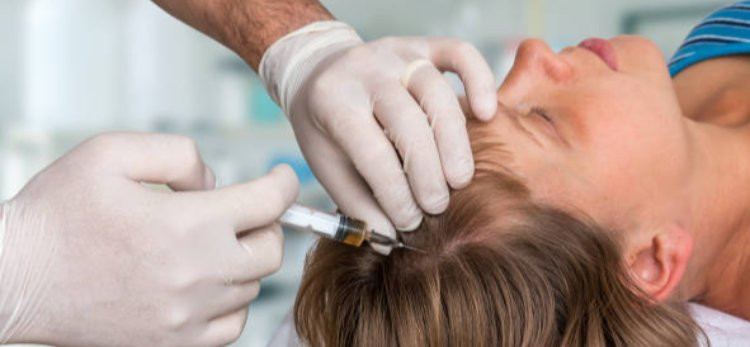
Platelet-Rich Plasma (PRP) therapy is a regenerative treatment that uses the body's own growth factors to stimulate hair follicles. For those considering PRP Hair Treatment in Riyadh, understanding the science behind how these growth factors work is essential for appreciating why this therapy can be effective and what it can realistically achieve.
The Role of Growth Factors in Hair Health
Hair follicles are complex structures that rely on a precise balance of signalling molecules to maintain their growth cycle. When this balance is disrupted—by genetics, hormones, or inflammation—follicles can enter a resting phase prematurely or produce thinner, weaker hairs. PRP works by delivering a concentrated dose of growth factors directly to the scalp, providing the signals needed to restore healthy follicle function.
Key Growth Factors in PRP and Their Functions
PRP contains a complex blend of growth factors that directly influence hair follicle activity. Each plays a distinct role in supporting hair health.
Platelet-Derived Growth Factor (PDGF) stimulates cell proliferation and blood vessel formation, creating conditions that support follicle growth. Vascular Endothelial Growth Factor (VEGF) promotes the formation of new blood vessels, improving oxygen and nutrient delivery to the follicles. Transforming Growth Factor-Beta (TGF-β) helps regulate the hair cycle and cellular growth, maintaining the balance between growth and resting phases. Fibroblast Growth Factor (FGF) supports cellular growth and tissue repair, helping maintain the structural integrity of the follicle. Insulin-like Growth Factor (IGF) supports cellular survival and growth, protecting follicles from programmed cell death.
Together, these factors create what researchers describe as an "ideal microenvironment" for hair growth. They work by promoting cell growth and differentiation, inhibiting apoptosis (programmed cell death), and enhancing new blood vessel formation.
How PRP Signals Follicles to Grow
When PRP is injected into the scalp, the concentrated growth factors initiate a cascade of cellular events. Research has identified that PRP activates the Wnt/β-catenin signalling pathway—a critical regulator of hair follicle development and cycling. When this pathway is stimulated, the follicle stem cells receive the instruction to begin producing hair again.
One study showed that PRP can activate quiescent hair follicles and induce stem cell proliferation in the follicle bulge region, where the stem cells reside. This is the biological basis for PRP's ability to reactivate dormant follicles.
The Role of Blood Supply
A crucial but often overlooked aspect of PRP's mechanism is its effect on scalp circulation. VEGF and other growth factors promote angiogenesis—the formation of new blood vessels. Improved blood supply delivers more oxygen and nutrients to the follicles, creating conditions that support sustained hair growth.
This is particularly important because miniaturising follicles often suffer from reduced vascular support, contributing to their decline. By improving circulation, PRP addresses a root cause of follicle deterioration.
The Journey of a Reactivated Follicle
The reactivation process is gradual, which is why results take time. In the first 1–2 months, growth factors signal to the follicle and stem cells begin the process of division and differentiation. By 2–3 months, visible new growth appears as fine hairs emerge. By 3–6 months, density improvement becomes noticeable as more follicles are recruited into the growth phase. The 6–12 month period represents peak results, with continued improvement in hair quality and coverage.
This timeline reflects the natural hair cycle. Each follicle operates on its own schedule, which is why patience is essential.
The Importance of Concentration
The effectiveness of PRP depends on the concentration of platelets and growth factors. The preparation method directly influences this concentration. Clinical studies have demonstrated that platelet concentration positively correlates with clinical improvement. Patients with higher platelet concentrations in their PRP showed more significant increases in hair density.
The prp treatment in riyadh price often reflects the quality of the preparation process, which directly impacts treatment outcomes.
Why Maintenance Matters
The effects of PRP are durable but not permanent. Without ongoing stimulation, the genetic and hormonal processes that caused the follicles to miniaturise will gradually resume. This is why maintenance sessions—typically every 6 to 12 months—are recommended to sustain the gains. By continuing to deliver growth factors, maintenance sessions preserve the anagen-extending effect and keep reactivated follicles producing hair.
Clinical Evidence Supporting the Science
The biological mechanisms described above are supported by clinical outcomes. A double-center study of 41 patients found that after three PRP sessions, hair density increased from 40.76 hairs/cm² at baseline to 66.00 hairs/cm² at week 12. The proportion of patients with active hair loss dropped from 75.6% to 12.2% over the same period. Patient satisfaction was notably high, with 97.6% of participants reporting being satisfied or very satisfied with their outcomes.
A separate study of five patients with moderate to severe hair loss found that mean follicle density increased to 38.6 ± 7.6 at three months, with patient satisfaction scores averaging 8.2 out of 10 after ten weeks.
For those seeking PRP Hair Treatment in Riyadh, the science is clear: PRP delivers concentrated growth factors that activate follicle stem cells, improve circulation, and extend the growth phase. For suitable candidates, this biological approach offers a meaningful path to healthier, thicker hair.
For those seeking expert guidance and customised aesthetic care, you can book an appointment consultation at the Enfield Royal Clinic.
Frequently Asked Questions
What growth factors in PRP are most important for hair growth?
Key factors include PDGF (cell proliferation), VEGF (blood vessel formation), TGF-β (cycle regulation), and IGF (cell survival)—all working together to support follicle health.
How does PRP activate dormant follicles?
PRP activates the Wnt/β-catenin signalling pathway, a critical regulator of hair follicle development. This signals stem cells in the follicle bulge to begin producing hair again.
Why is blood supply important for hair growth?
Follicles need oxygen and nutrients to produce healthy hair. PRP promotes new blood vessel formation (angiogenesis), improving delivery of these essential elements.
Does PRP extend the growth phase of existing hair?
Yes. PRP helps existing active follicles stay in the anagen (growth) phase longer, allowing hairs to grow thicker and longer before shedding.
Does the concentration of PRP affect results?
Yes. Clinical studies show that higher platelet concentrations correlate with more significant increases in hair density.
Yorumlar (0)
Bu gönderi için henüz bir yorum yapılmamış.
Yorum Bırakın