


 12.10.2026
 4 görüntülenme
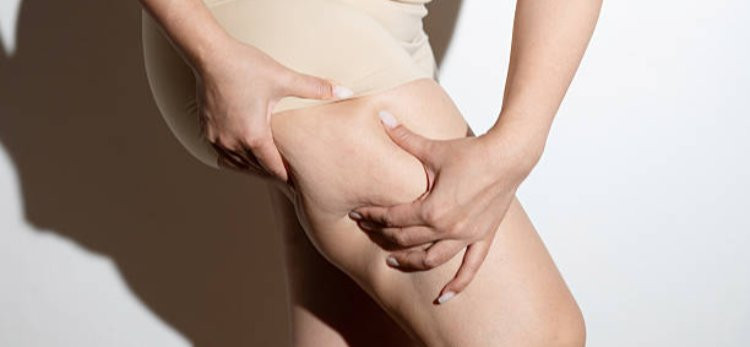
Lipedema treatment can help eligible patients manage discomfort, improve mobility, and address the abnormal accumulation of fat tissue that commonly affects the legs and sometimes the arms. However, the results depend on the treatment method, the severity of symptoms, and each person's overall health. Some patients experience improvements in tenderness and heaviness, while others require ongoing care to manage their condition. Treatment of lipedema in Riyadh (علاج الوذمة الشحمية في الرياض) begins with understanding the patient's symptoms, evaluating suitable options, and setting realistic expectations about what treatment can achieve.
Lipedema is a chronic condition that differs from ordinary weight gain because affected fat tissue may be painful, sensitive to pressure, and resistant to typical weight-loss approaches. Conservative management can help relieve symptoms, while specialized lipedema reduction surgery may reduce affected tissue in carefully selected patients. Treatment of lipedema in Riyadh should be personalized, as no single approach guarantees the same results for everyone. Understanding the possible benefits, limitations, and recovery timeline can help patients make informed decisions.
What Improvements Can You Expect After Lipedema Treatment?
Reduced Pain and Tenderness
One potential benefit of treatment is a reduction in pain, pressure sensitivity, or tenderness in affected areas. Patients who experience discomfort while walking, standing, or performing everyday activities may find that appropriate symptom management makes these activities more comfortable.The amount of improvement varies. Conservative treatments may help manage symptoms without removing abnormal fat tissue, while surgery may provide longer-term symptom improvement for some appropriately selected patients. Neither approach guarantees complete relief.
Less Heaviness and Swelling
Lipedema can cause a sensation of heaviness in the legs, particularly after prolonged standing or physical activity. Some patients also experience swelling, especially when other conditions affecting fluid circulation are present.Compression garments, movement, and specialist-guided lymphatic care may help manage fluid-related symptoms when appropriate. However, lipedema fat tissue and fluid-related swelling are not the same thing, so the expected results depend on the underlying cause of the symptoms.
Improved Mobility and Daily Comfort
When pain and heaviness become easier to manage, some patients find it more comfortable to walk, climb stairs, exercise, or complete household tasks. Treatment may support participation in everyday activities and improve quality of life.Improvements in mobility also depend on factors such as joint health, muscle strength, general fitness, and other medical conditions. A gradual, individualized activity plan may help patients build confidence as symptoms improve.
What Changes Can You Expect After Lipedema Reduction Surgery?
Changes in Body Contours
Lipedema reduction surgery commonly uses specialized liposuction techniques to remove abnormal fat deposits. Following recovery, patients may notice changes in the shape and proportions of treated areas, such as the thighs, knees, lower legs, or arms.The degree of visible change depends on the amount and distribution of affected tissue, skin elasticity, and the surgical technique. Surgery is intended to address a medical condition rather than guarantee a particular cosmetic appearance.
Gradual Improvement During Recovery
Bruising, swelling, and tenderness are common immediately after surgery and may temporarily obscure the results. Some changes become noticeable during the first several weeks, while further improvements can develop over several months as swelling subsides.Patients should avoid judging their final outcome too early. Follow-up appointments allow the surgical team to monitor healing and determine whether recovery is progressing as expected.
Possible Reduction in Symptoms
Some patients report less pain, pressure sensitivity, or heaviness after surgery. Others may continue to experience symptoms or require additional treatment. Surgery does not eliminate every aspect of lipedema, and outcomes differ between individuals.
Can Nonsurgical Lipedema Treatment Produce Results?
Nonsurgical care can be valuable even when it does not remove abnormal fat tissue. The main goal is often to manage symptoms, maintain mobility, and support daily comfort.
Compression Therapy
Appropriately fitted compression garments may help some patients manage swelling and improve comfort during daily activities. Benefits depend on the individual's symptoms, circulation, and tolerance of compression.
Manual Lymphatic Drainage
Manual lymphatic drainage is a specialized, gentle technique that may help selected patients manage fluid-related swelling or discomfort. It does not remove lipedema fat, and its suitability depends on the patient's medical assessment.
Exercise and Physical Activity
Low-impact activities, such as walking, swimming, or water-based exercise, may help maintain strength, flexibility, and general fitness. Exercise can support overall health and mobility, although it does not selectively eliminate lipedema tissue.
Balanced Nutrition and Weight Management
Balanced nutrition supports general health, and weight management may be helpful when a patient has additional weight-related concerns. However, lipedema should not be treated as simply a weight problem. Changes in body weight do not necessarily eliminate affected tissue or resolve all symptoms.
What Factors Influence Your Treatment Results?
Several factors can influence the outcome, including the extent of lipedema, the presence of other conditions, the treatment selected, and adherence to appropriate aftercare. Patients with additional lymphatic or venous problems may require a broader management plan.Realistic expectations are also important. A treatment plan should identify the symptoms most likely to improve, discuss potential risks, and explain whether ongoing care may be needed. Regular follow-up helps clinicians evaluate progress and adjust recommendations when necessary.
How Can You Maintain Results After Lipedema Treatment?
Long-term management may include wearing compression garments when recommended, staying physically active, maintaining balanced nutrition, and attending follow-up appointments. Patients who undergo surgery should follow instructions regarding wound care, activity restrictions, and recovery.Because lipedema is chronic, some symptoms may persist or change over time. Continuing supportive care can help patients manage their condition, even after successful surgery. New or worsening swelling, persistent pain, or unexpected changes should be assessed by a healthcare professional.
Book a Lipedema Consultation at Royal Clinic Saudia
Understanding the possible results of treatment can help you choose an approach that matches your symptoms and personal goals. At Royal Clinic Saudia (عيادات رويال كلينك), patients can discuss their concerns, explore available treatment options, and learn whether conservative management or further specialist assessment may be appropriate. Treatment of lipedema in Riyadh should focus on individualized care, realistic expectations, and long-term support for comfort and mobility.
FAQs:
How Soon Can You See Results After Lipedema Treatment?
The timeline depends on the treatment method. Conservative approaches may gradually improve symptom management, while surgical results develop as bruising and swelling subside over weeks and months.
Does Lipedema Treatment Permanently Remove Pain?
Some patients experience lasting improvement in pain, but complete and permanent relief cannot be guaranteed. Lipedema is a chronic condition, and symptoms may persist or change over time.
Will Lipedema Treatment Make My Legs Look Smaller?
Surgery may reduce the volume of affected tissue and change the contours of treated areas. Nonsurgical approaches generally focus on symptom management rather than substantial fat removal. Visible results vary from person to person.
Do You Need Ongoing Care After Lipedema Surgery?
Yes, some patients continue to benefit from follow-up appointments, compression therapy, appropriate physical activity, and other supportive measures. Your care plan should be based on your symptoms, recovery, and medical needs.
Yorumlar (0)
Bu gönderi için henüz bir yorum yapılmamış.
Yorum Bırakın